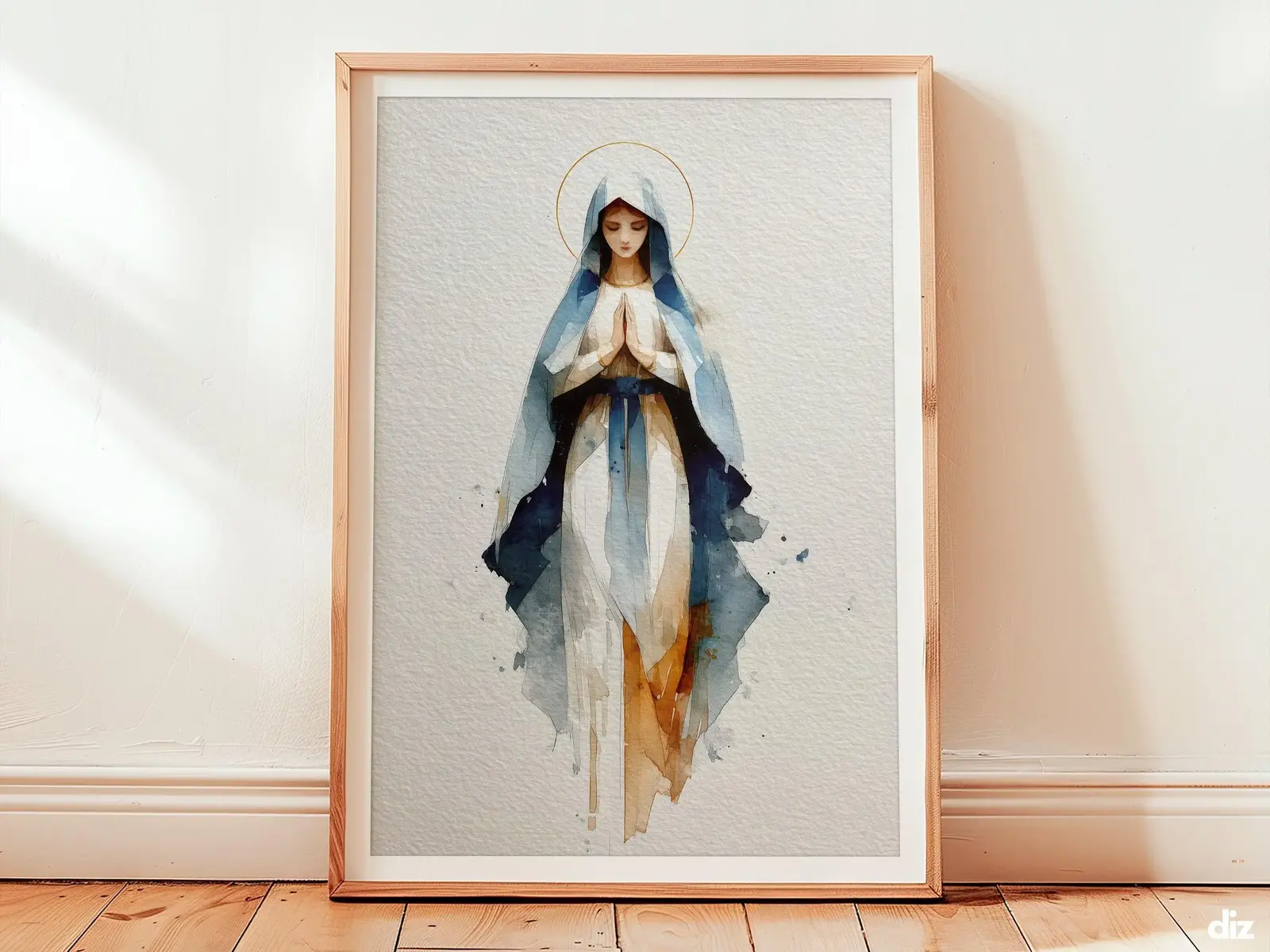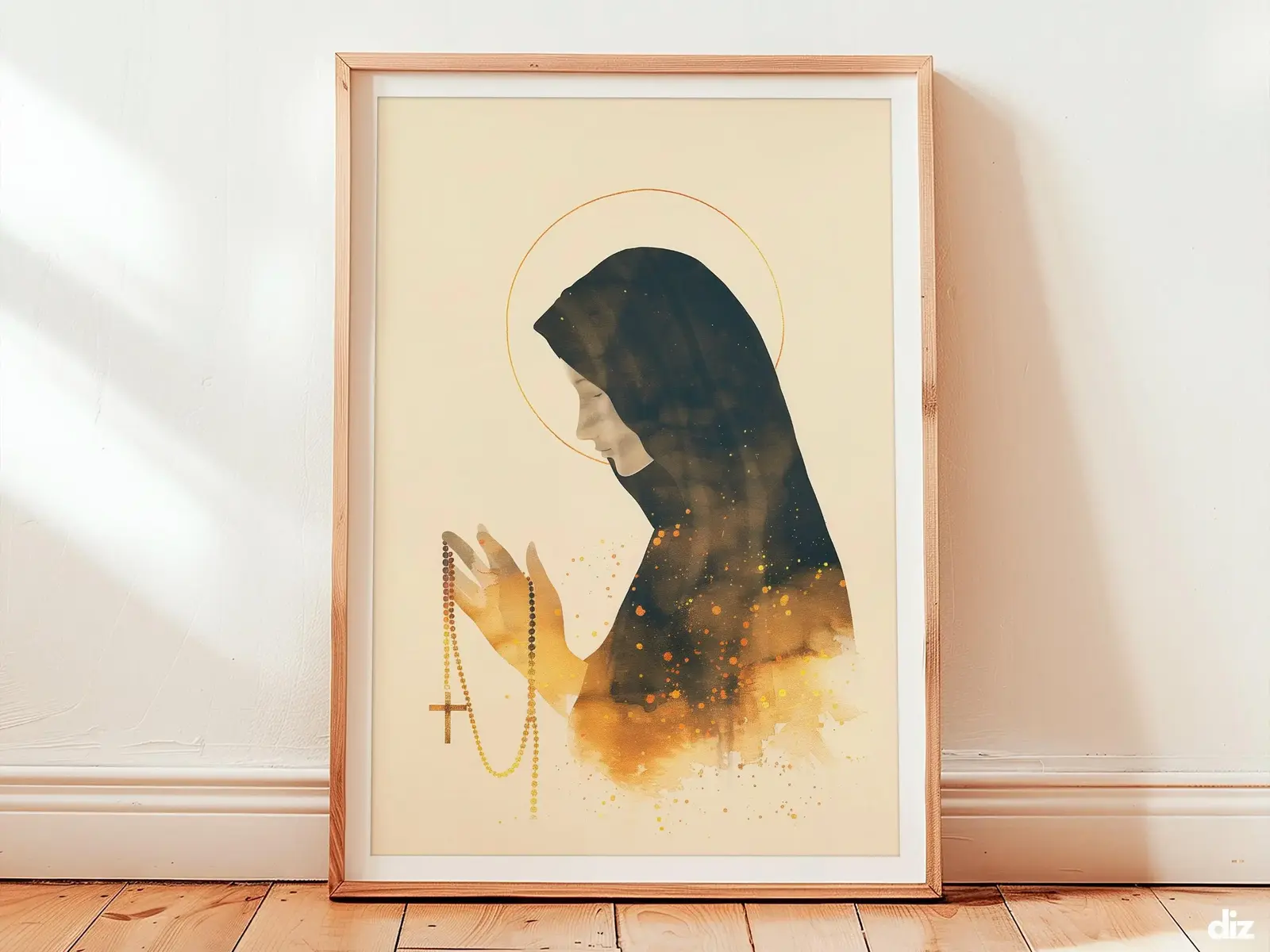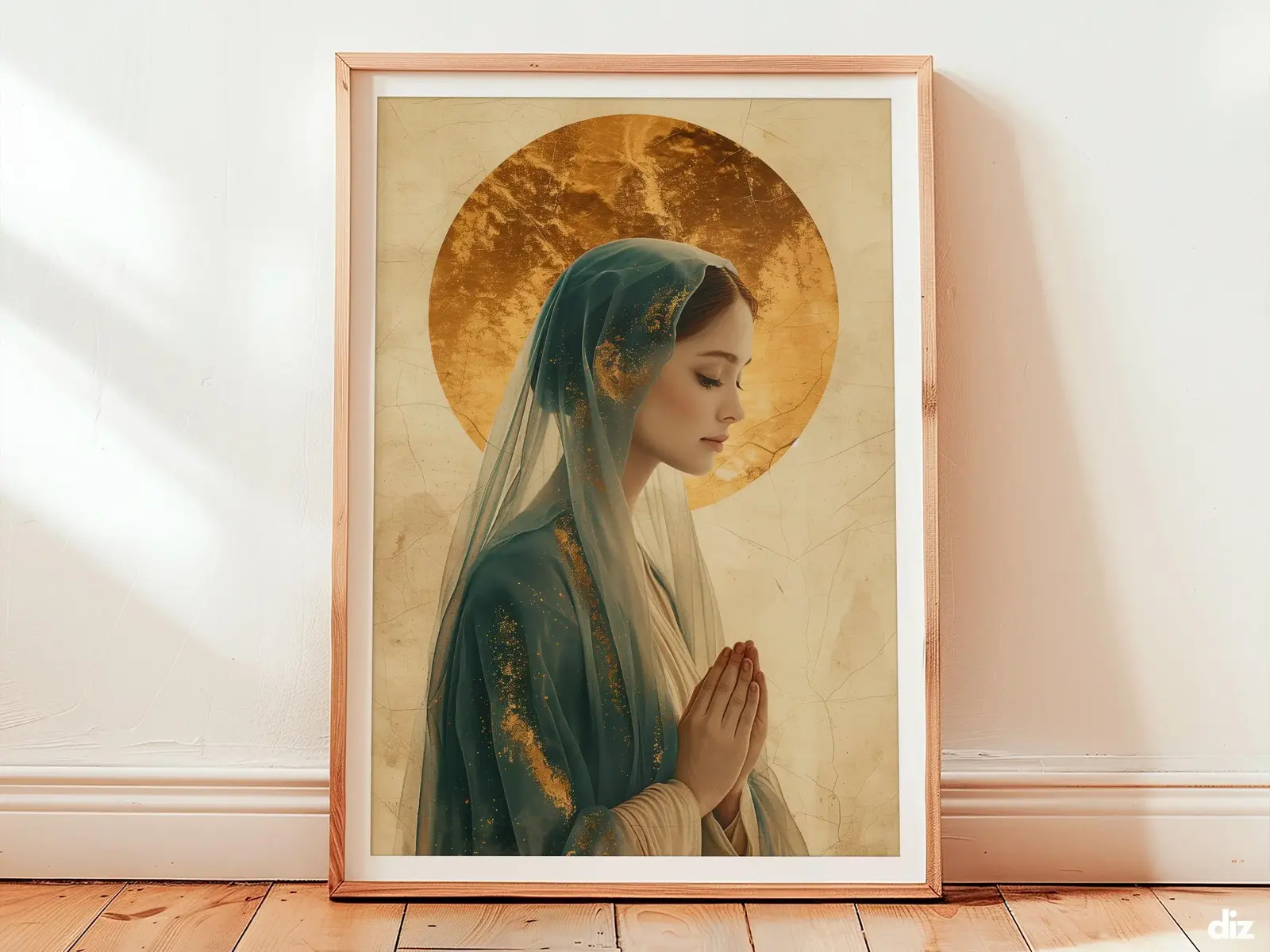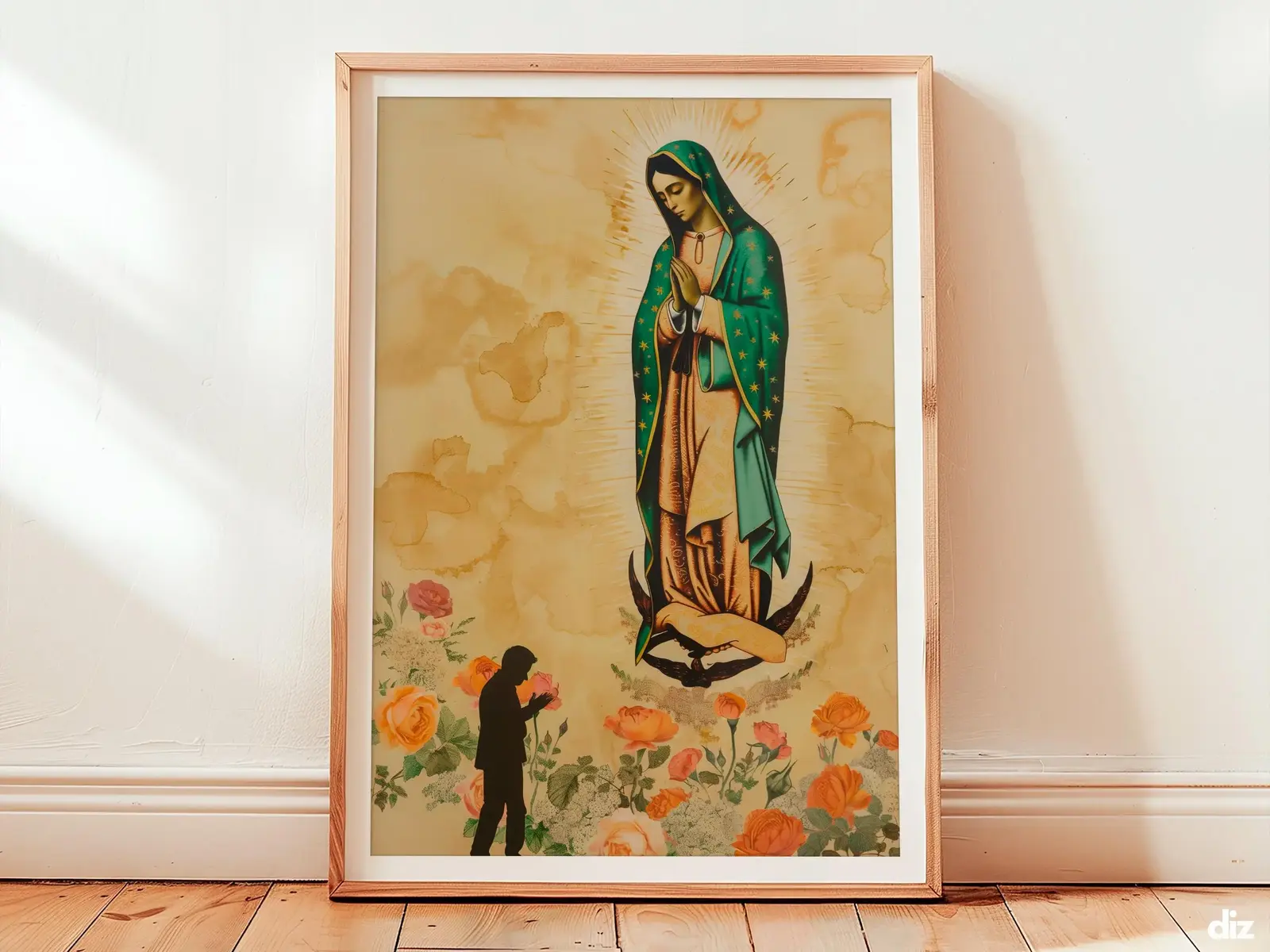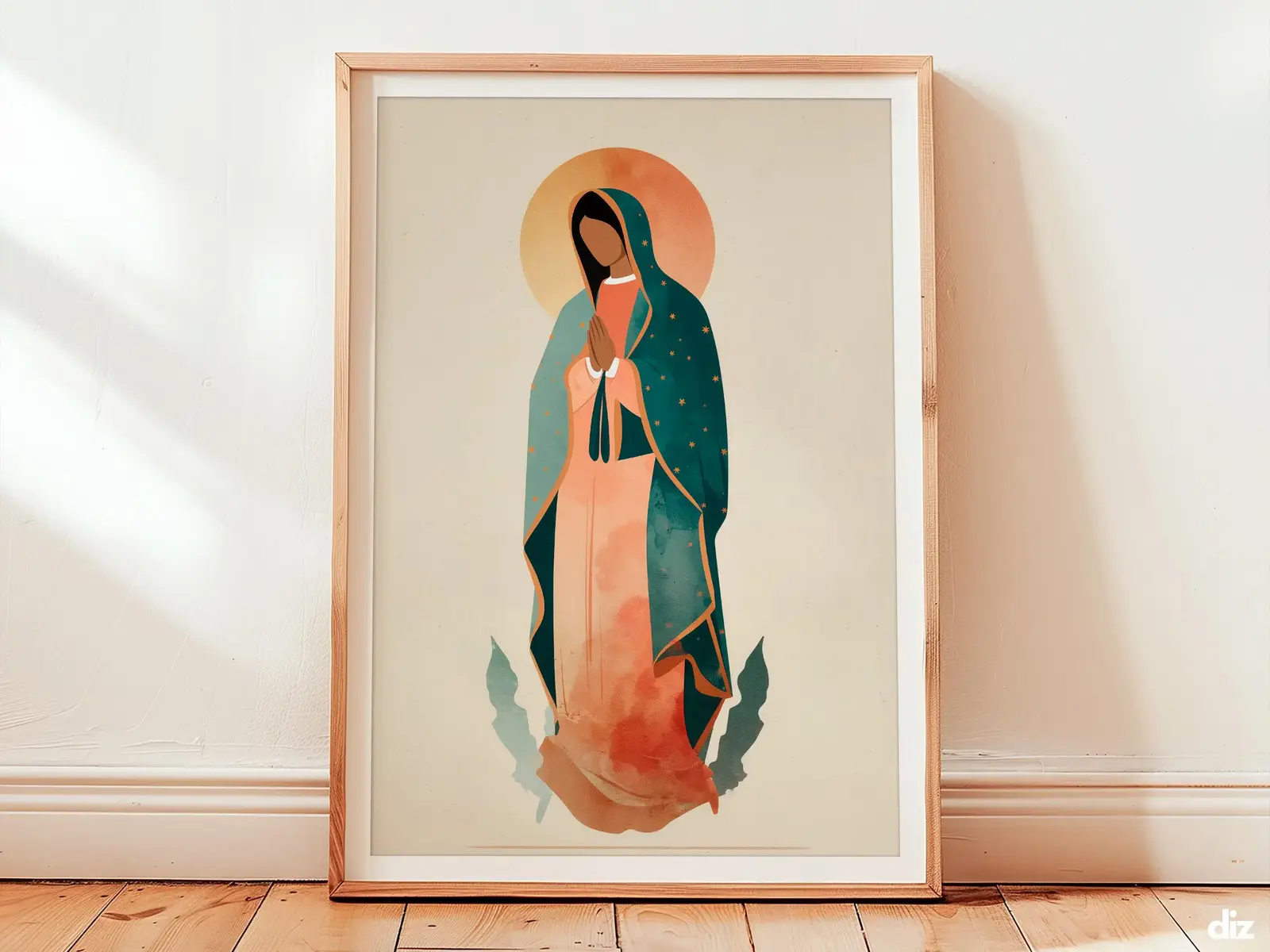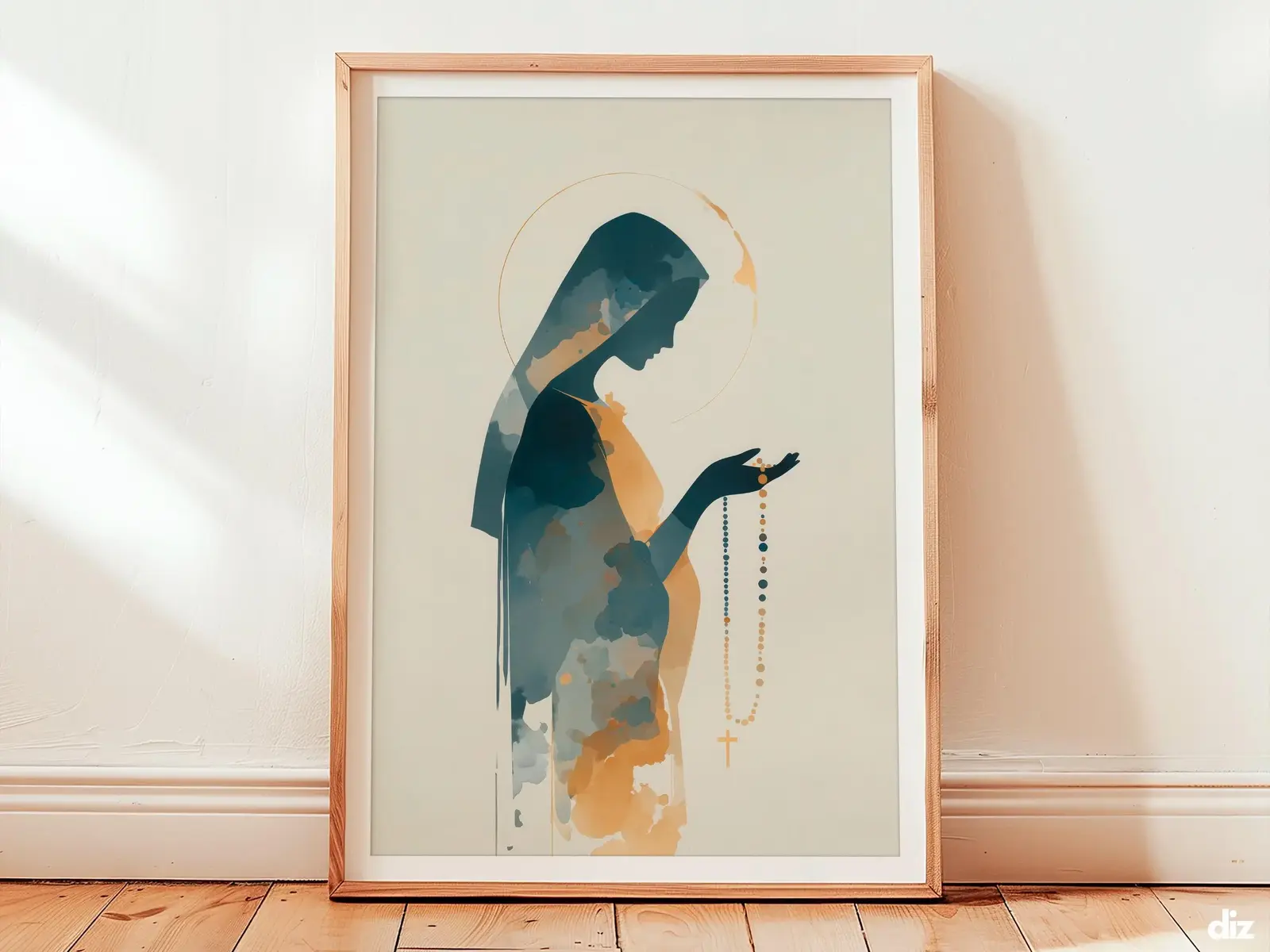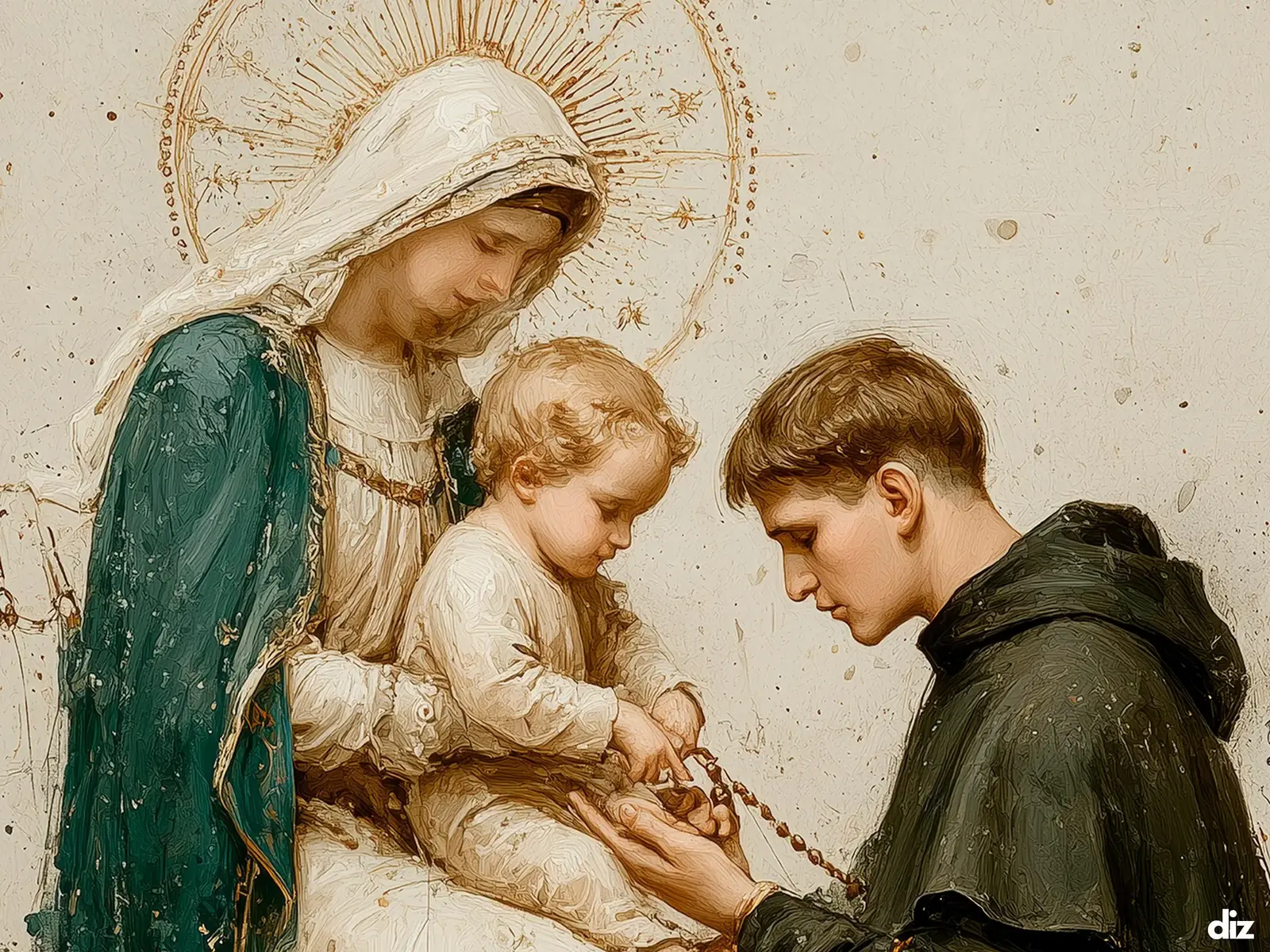
Sacred Art Centered on
Virgin Mary
Contemporary sacred art exploring the tenderness, presence, and spiritual depth of the Virgin Mary — through devotion, light, and form.
Mary as a visual presence
Marian art works differently from most religious imagery.
It doesn’t seek to impress. It seeks to settle.
A Marian image often becomes the emotional anchor of a room:
- softening the atmosphere without sentimental excess
- bringing calm without emptiness
- offering presence rather than instruction
This is why many people choose Marian art not only for prayer, but for daily living spaces. Her image holds tension gently — between strength and surrender, sorrow and peace, humanity and grace.
Symbols that speak quietly
Marian symbolism is restrained, almost minimal by nature. Meaning is carried through gesture, color, and light, rather than narrative complexity.
- The lily represents clarity and consent — the quiet courage of saying yes.
- The blue mantle evokes protection and fidelity, a visual shelter.
- The veil speaks of humility and contained strength, not withdrawal.
- The crown or stars express dignity without dominance.
- Hands — open, folded, or resting on the heart — communicate intercession, surrender, or compassion more clearly than words.
- Light functions as presence itself, not illumination. It inhabits rather than reveals.
These elements aren’t decorative. They’re visual language.
Choosing a Marian work for your space
People are often drawn to Marian imagery for one of two reasons:
A need for serenity
Spaces that benefit from calm, clarity, and visual breathing often respond best to simplified forms, soft gradients, and restrained gestures.
A desire for warmth and emotional closeness
Other spaces call for tenderness — expressions that feel human, maternal, and gently devotional.
At TheDizArt, this distinction takes shape through two complementary approaches:
- Classic Emotional — warmth, intimacy, and devotional tradition
- Minimal Devotional — silence, form, and contemplative light
Neither approach is more reverent than the other. They simply speak differently.
Marian paths of devotion
Within Marian art, certain themes carry distinct emotional weight. Each offers a different way of encountering her presence.
- Annunciation — silence interrupted by meaning; light entering ordinary life
- Madonna & Child — tenderness, protection, and the intimacy of home
- Mater Dolorosa — sorrow held with dignity; strength through grief
- Marian Devotion — Mary as spiritual presence beyond a single scene
Each path reflects a different season of life, prayer, or interior need.
Living with Marian art
Marian works tend to feel most present when they’re given space.
They resonate especially well in:
- entryways, as a gesture of welcome and protection
- bedrooms, where calm and companionship matter most
- prayer corners or shelves, without visual overload
- living spaces that benefit from a quieter emotional center
Often, what makes a Marian image powerful isn’t its size or detail, but the room it’s allowed to inhabit.
“Devotion does not always speak loudly. Sometimes, it simply remains“
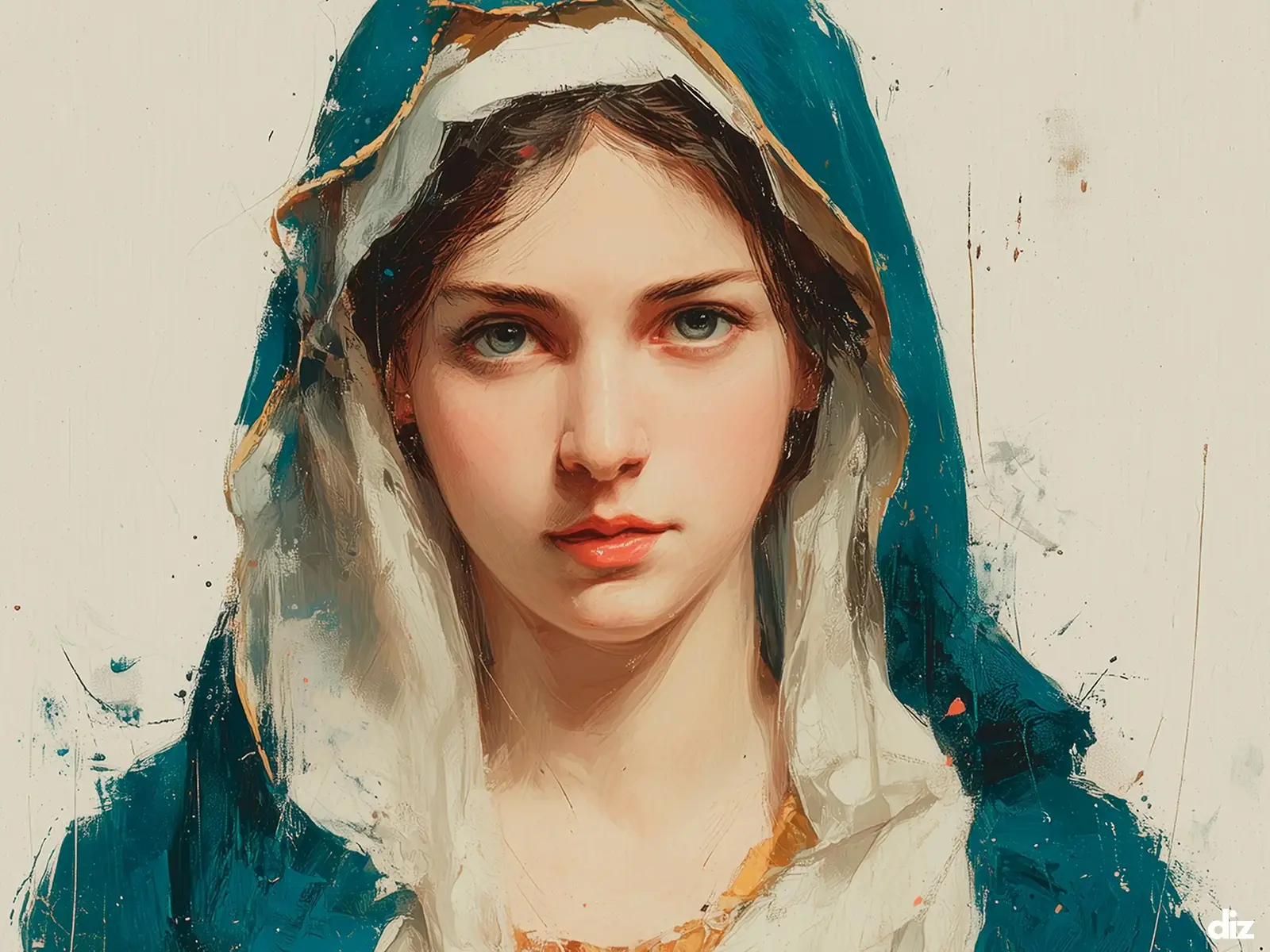
The following works are a small curated selection that reflects these paths of Marian presence — across both warmth and silence.
Editorial Selection
A small curated selection reflecting the essence of the Virgin Mary across both styles.
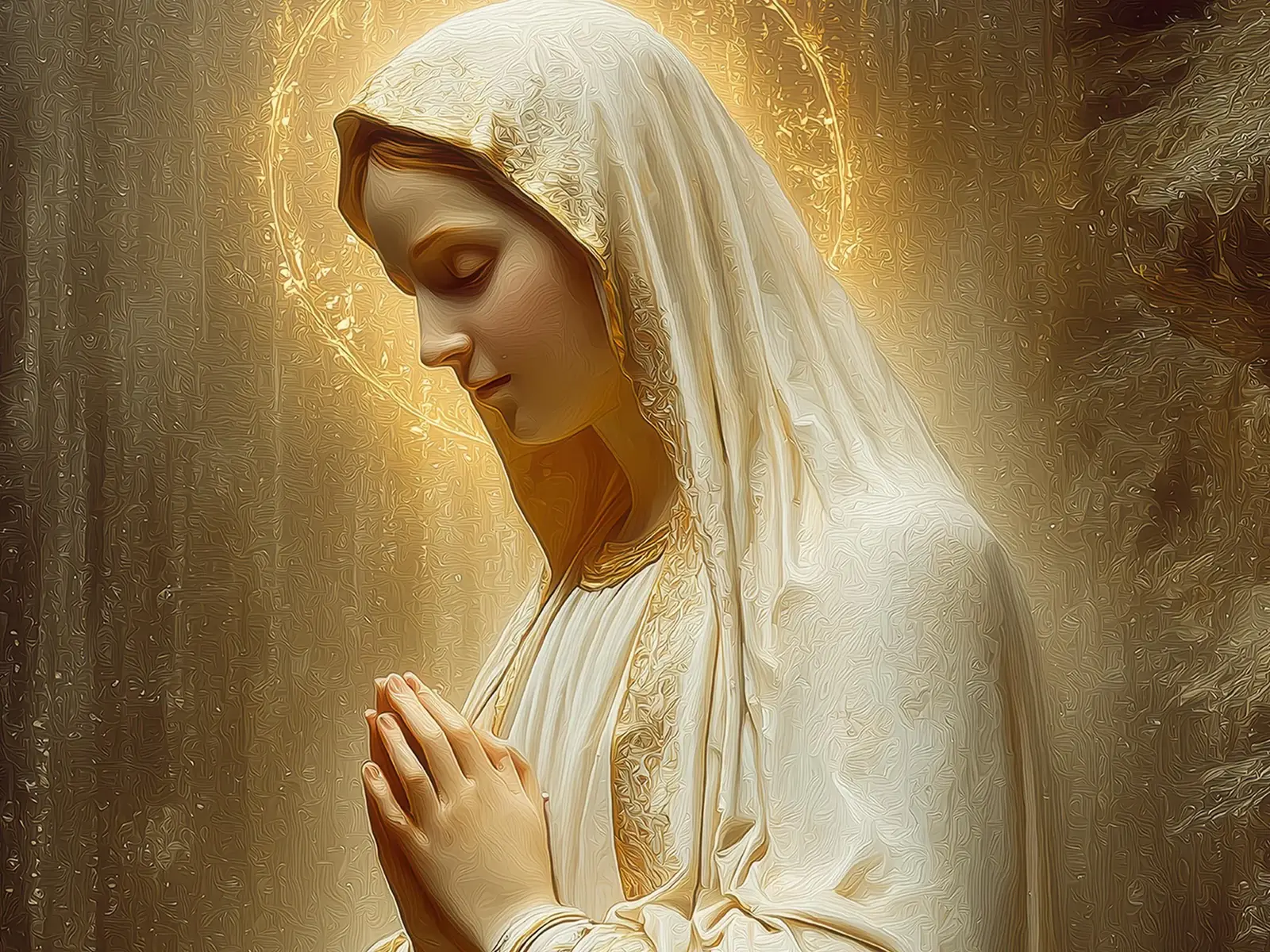
Our Lady of Lourdes — Three-Quarter Emergence, Diagonal Light
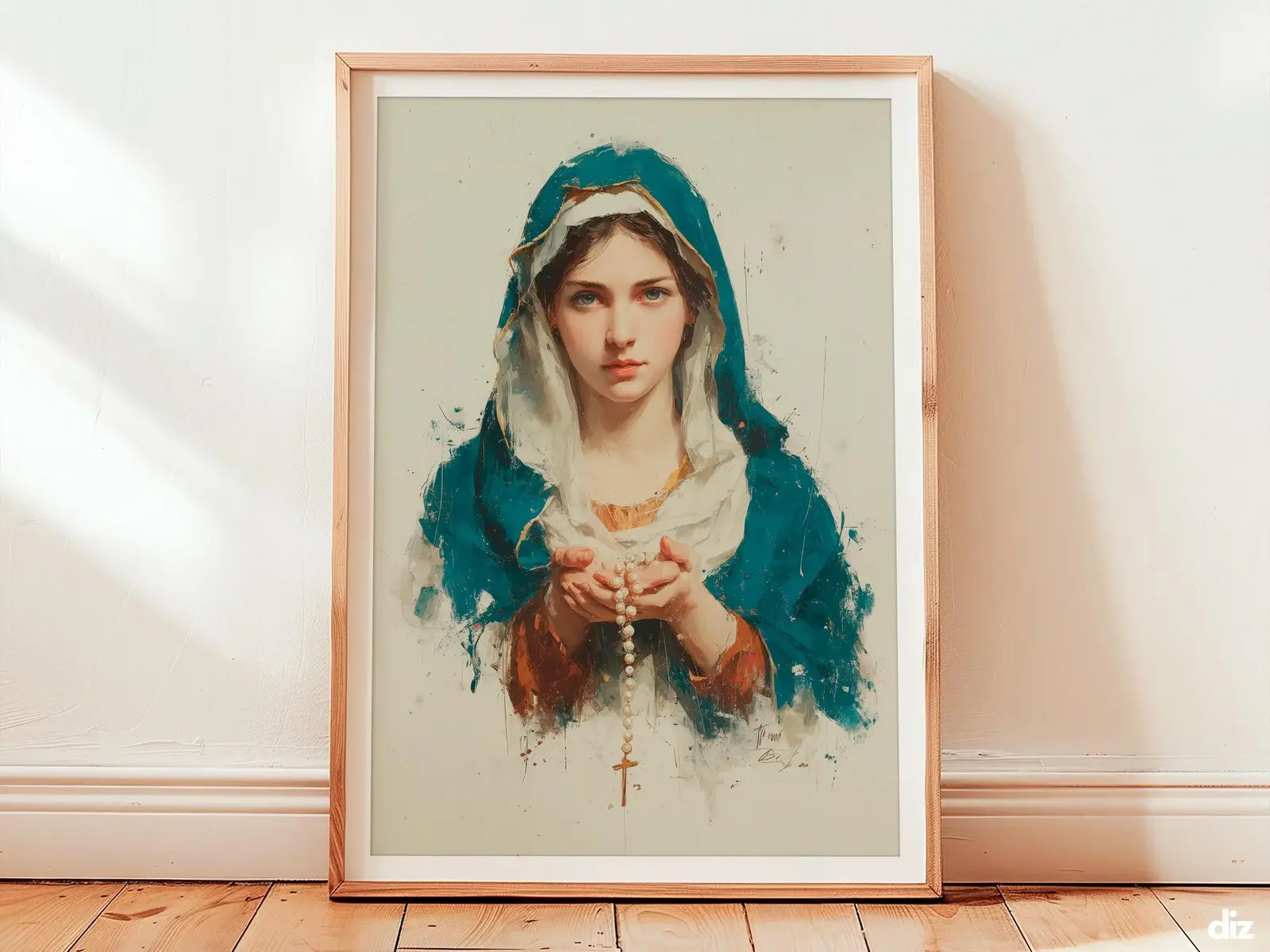
Lady of the Rosary — Hands Offering Beads, Golden Rayfield
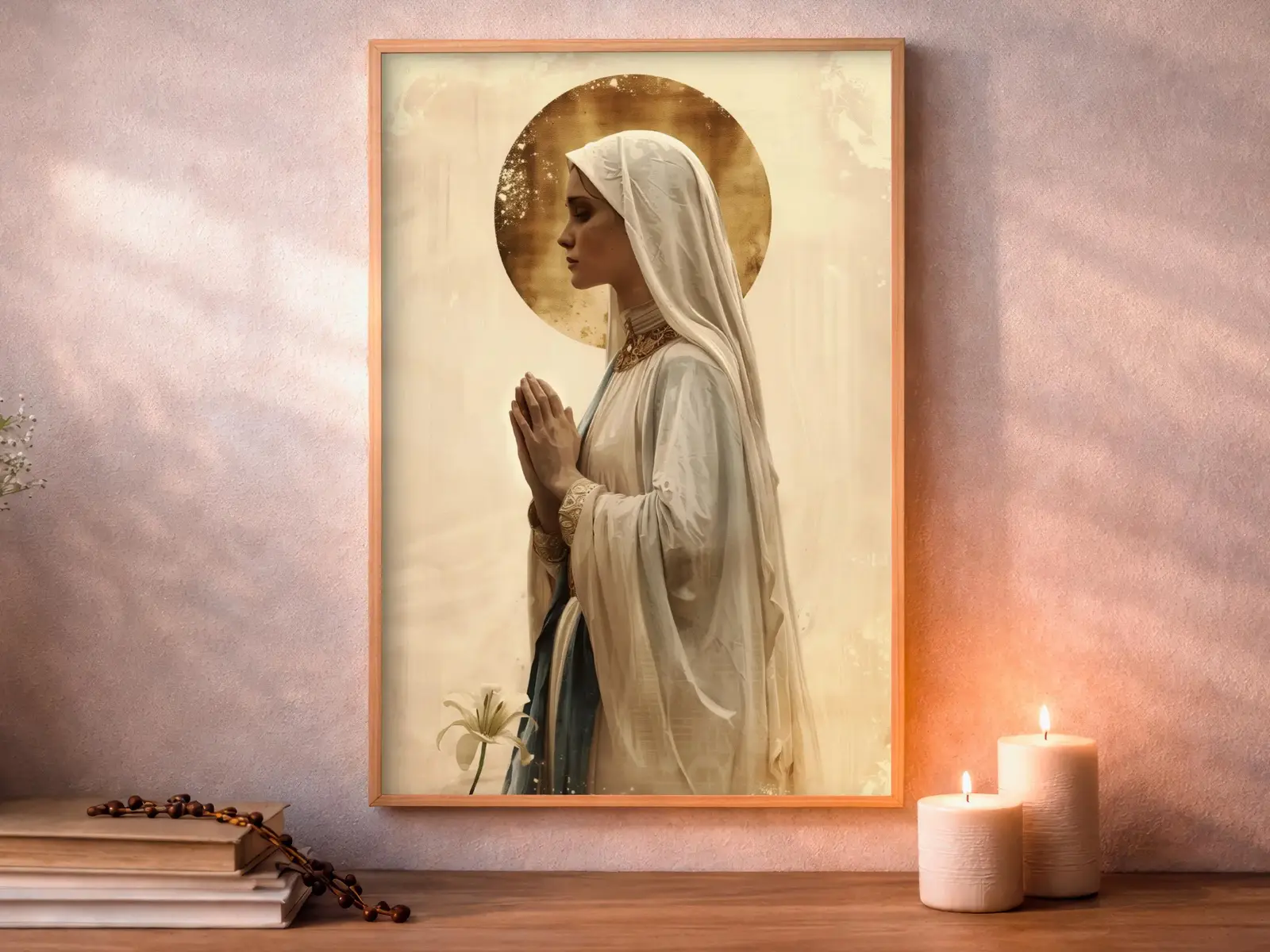
Our Lady of Lourdes — Profile Stillness, Diagonal Light (Lily Motif)
Explore Virgin Mary — Classic Emotional
Figurative devotion shaped by warmth, tenderness, and sacred tradition.
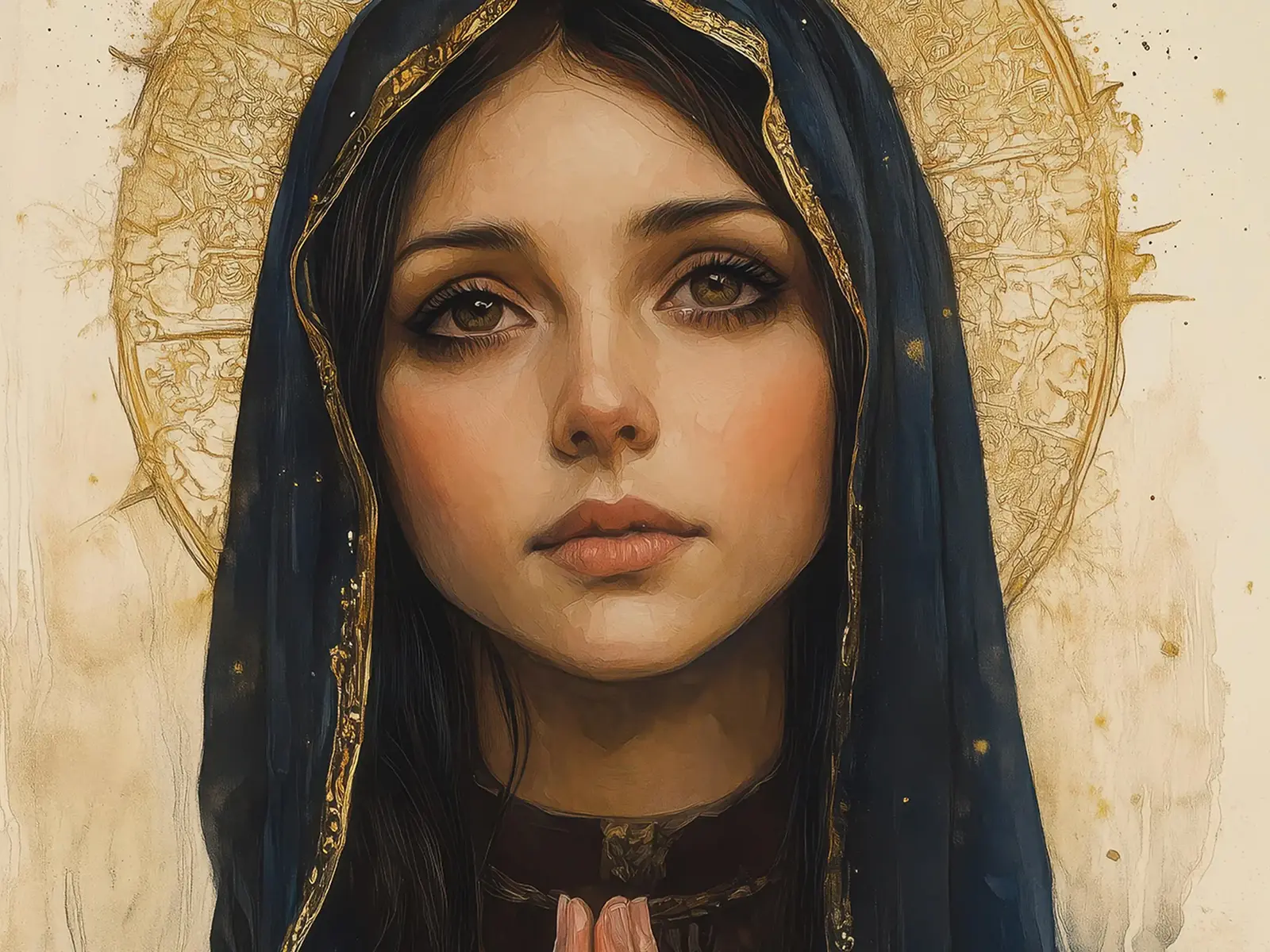
Our Lady of the Rosary — Three-Quarter View, Diagonal Light
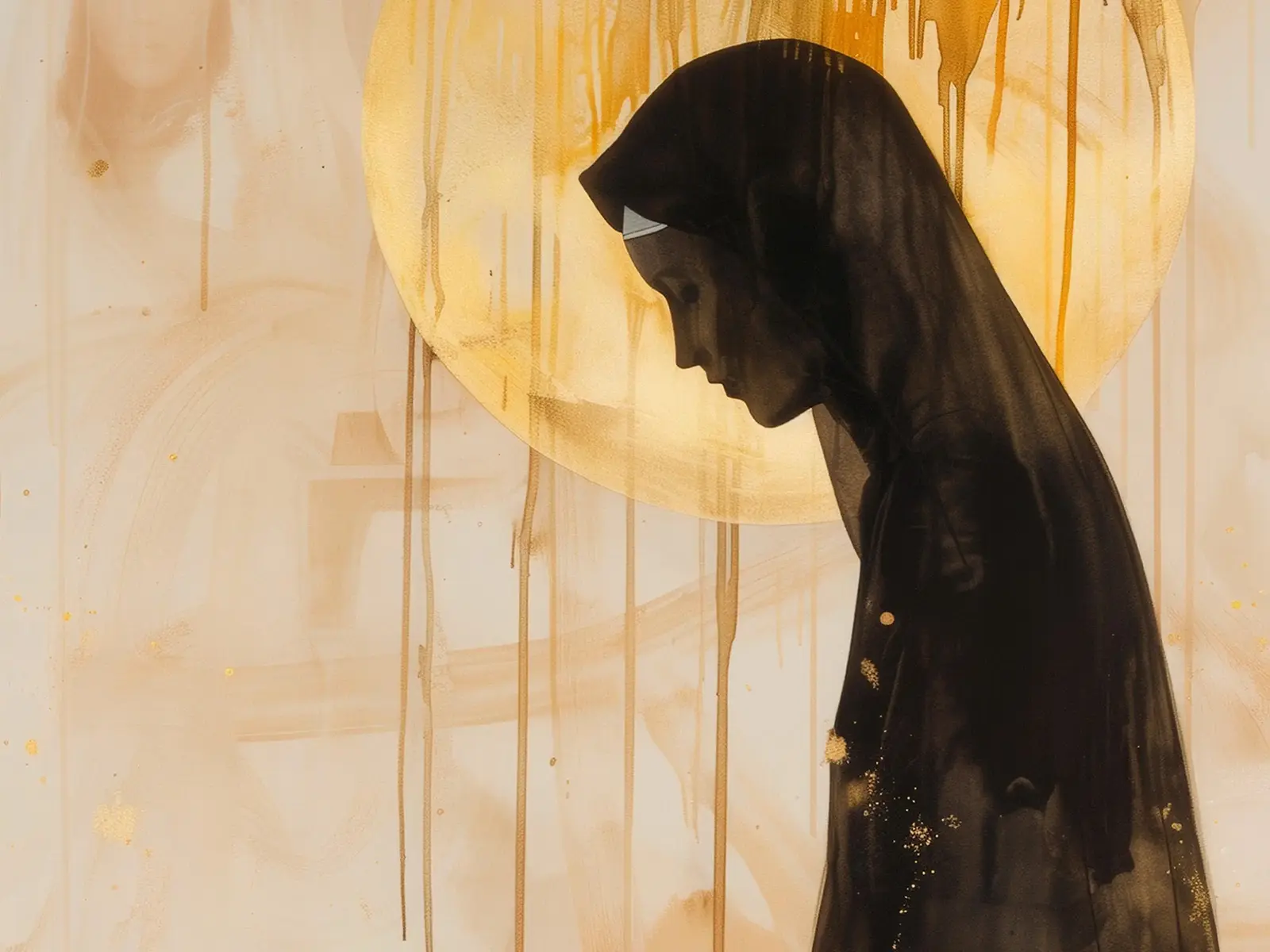
Our Lady of the Rosary — Bowed Figure, Golden Instruction
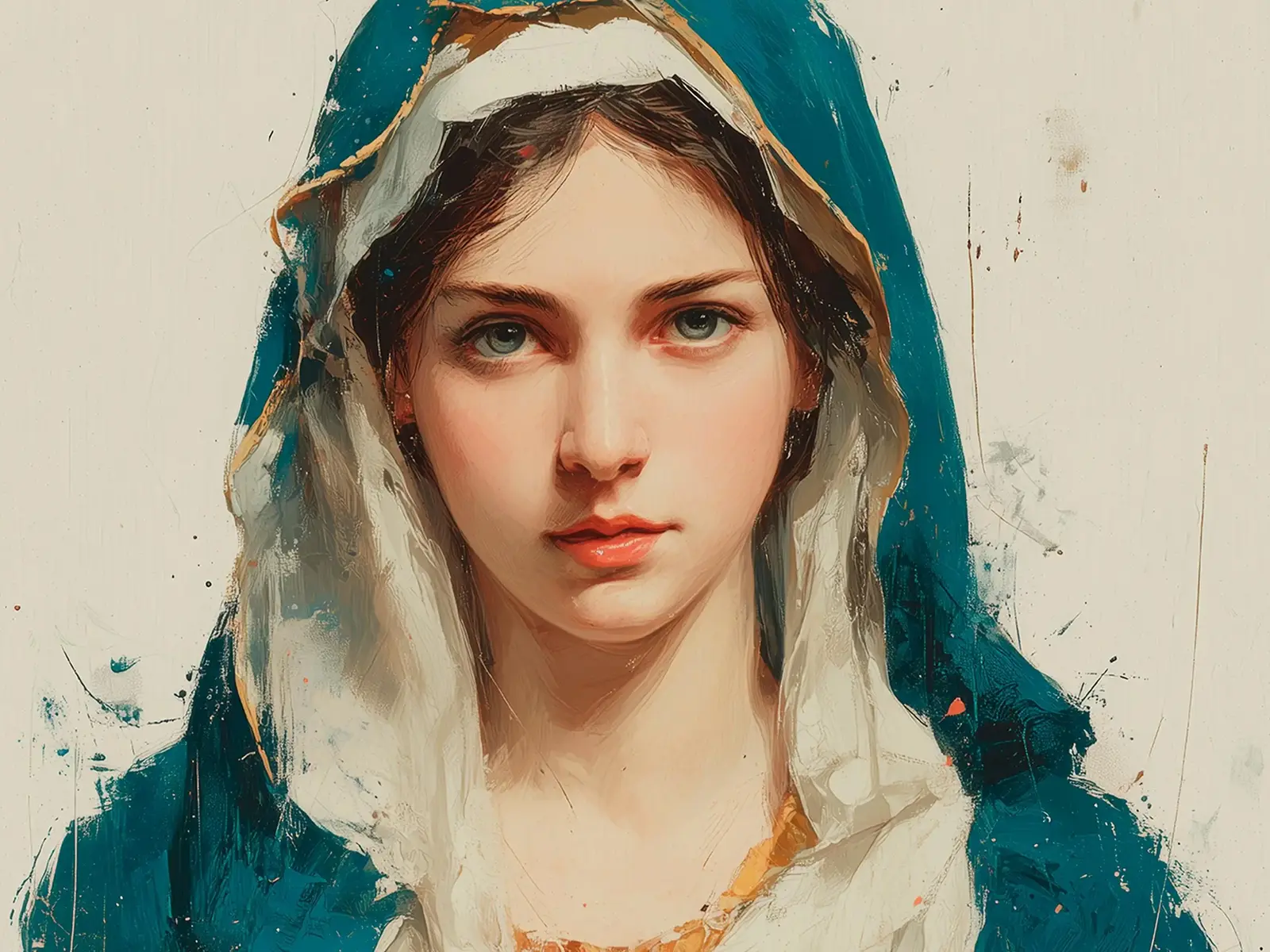
Virgin Mary — Rosary in Open Hands, Quiet Frontal Gaze
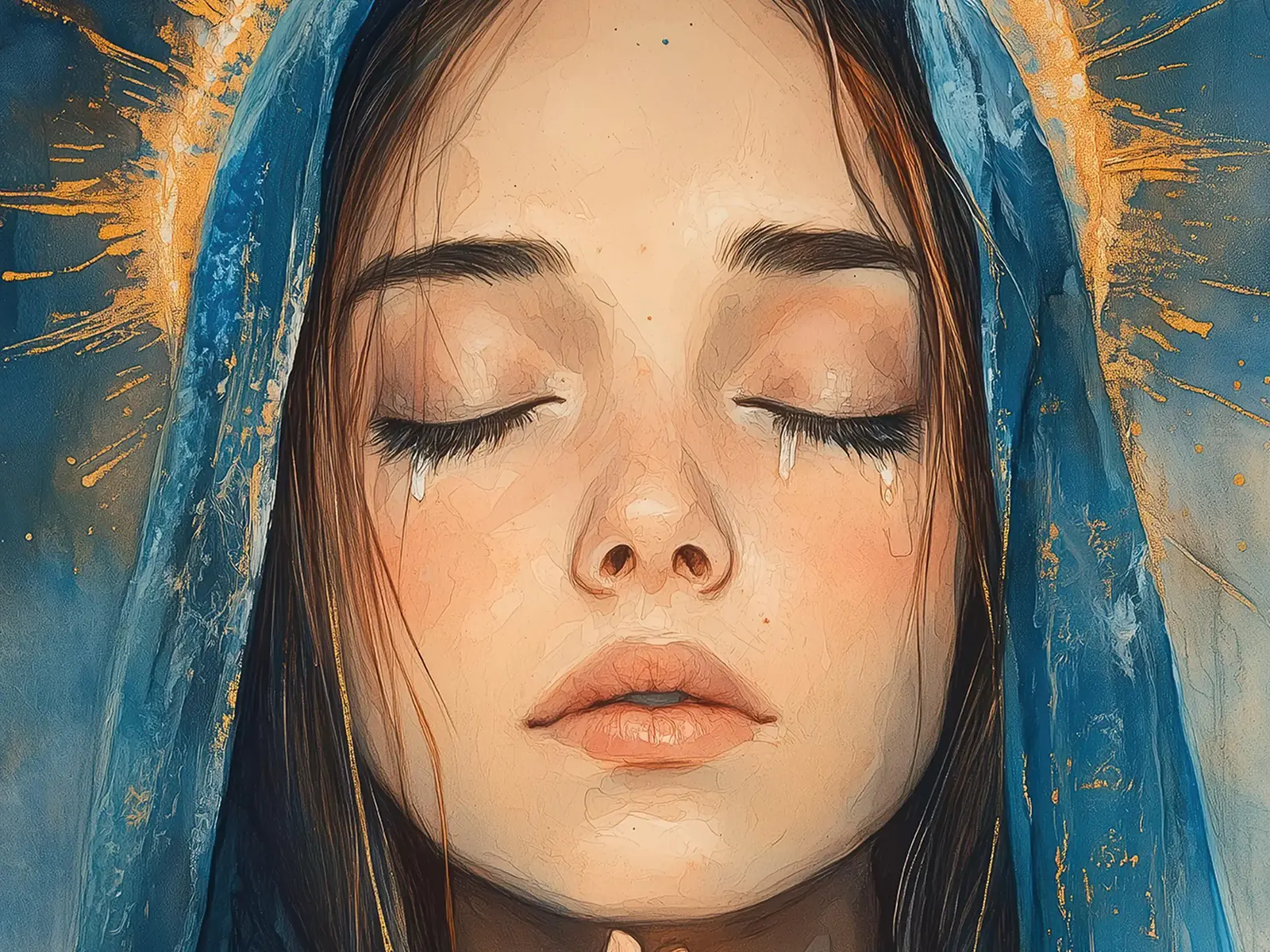
Our Lady of Sorrows — Downcast Gaze, Rosary Held at Chest
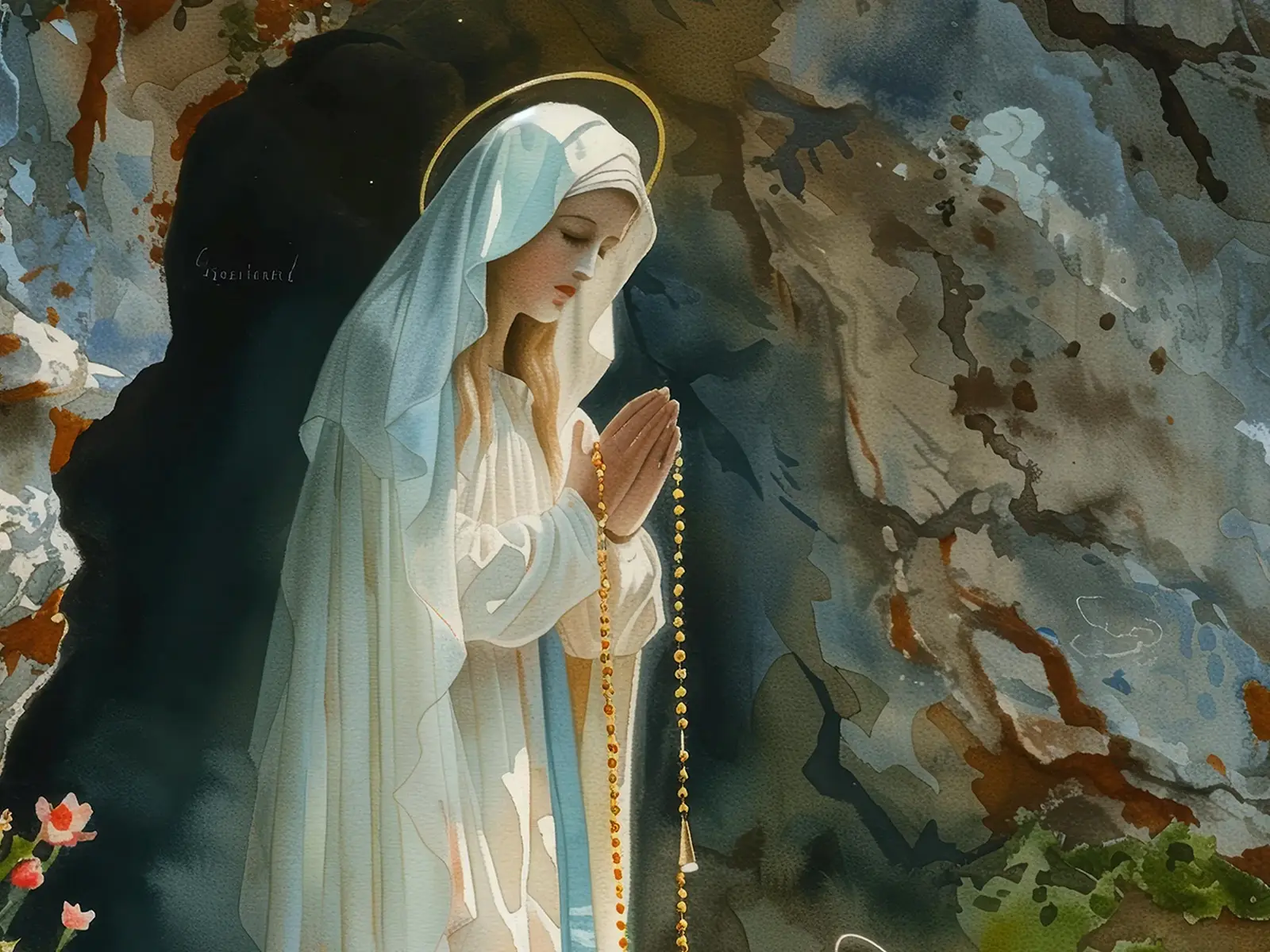
Our Lady of Lourdes — Grotto Apparition, Luminous Stillness
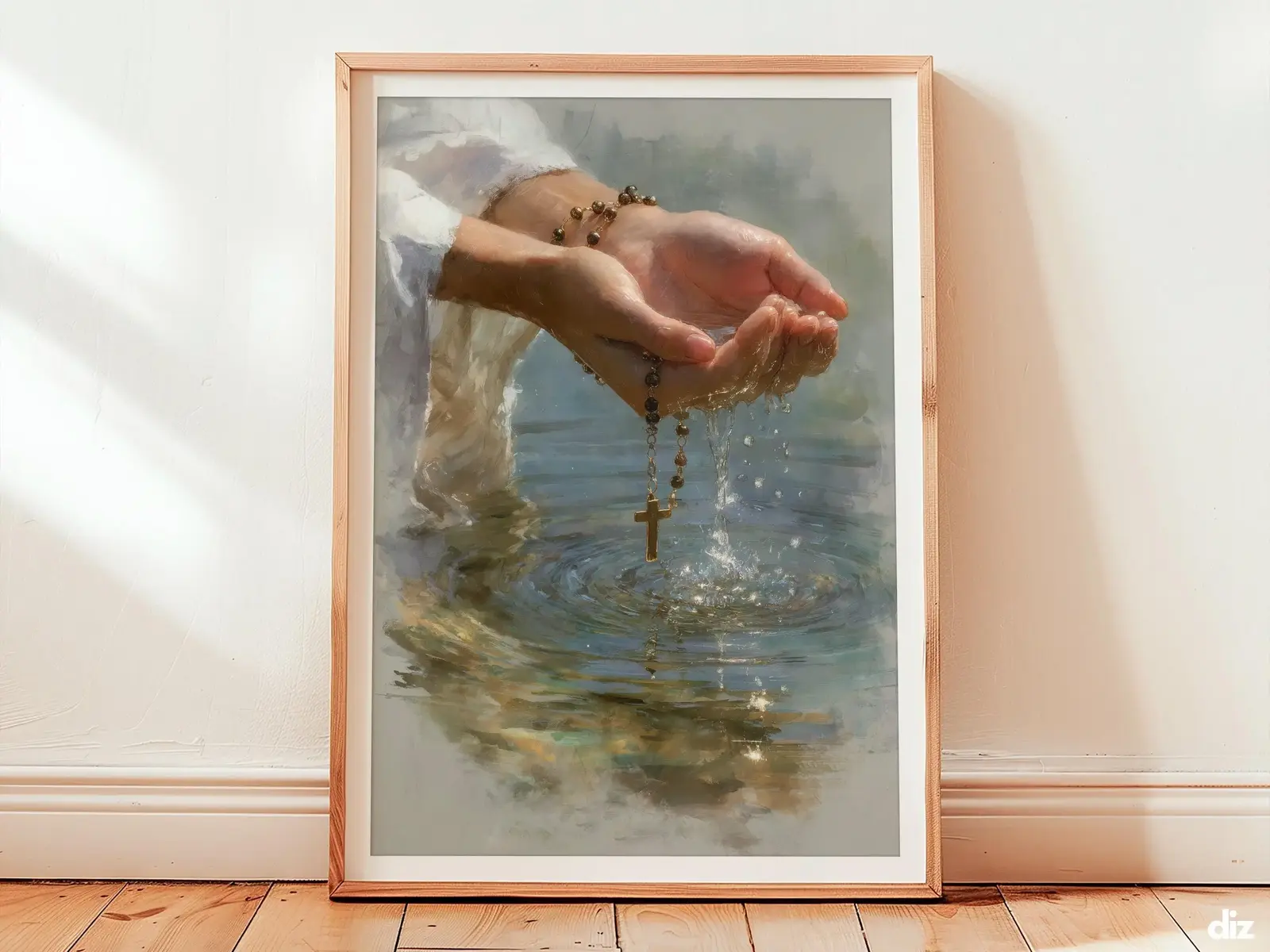
Our Lady of Lourdes — Folded Hands Above Spring, Diagonal Light
Explore Virgin Mary — Minimal Devotional
Sacred presence reduced to stillness, form, and contemplative light.