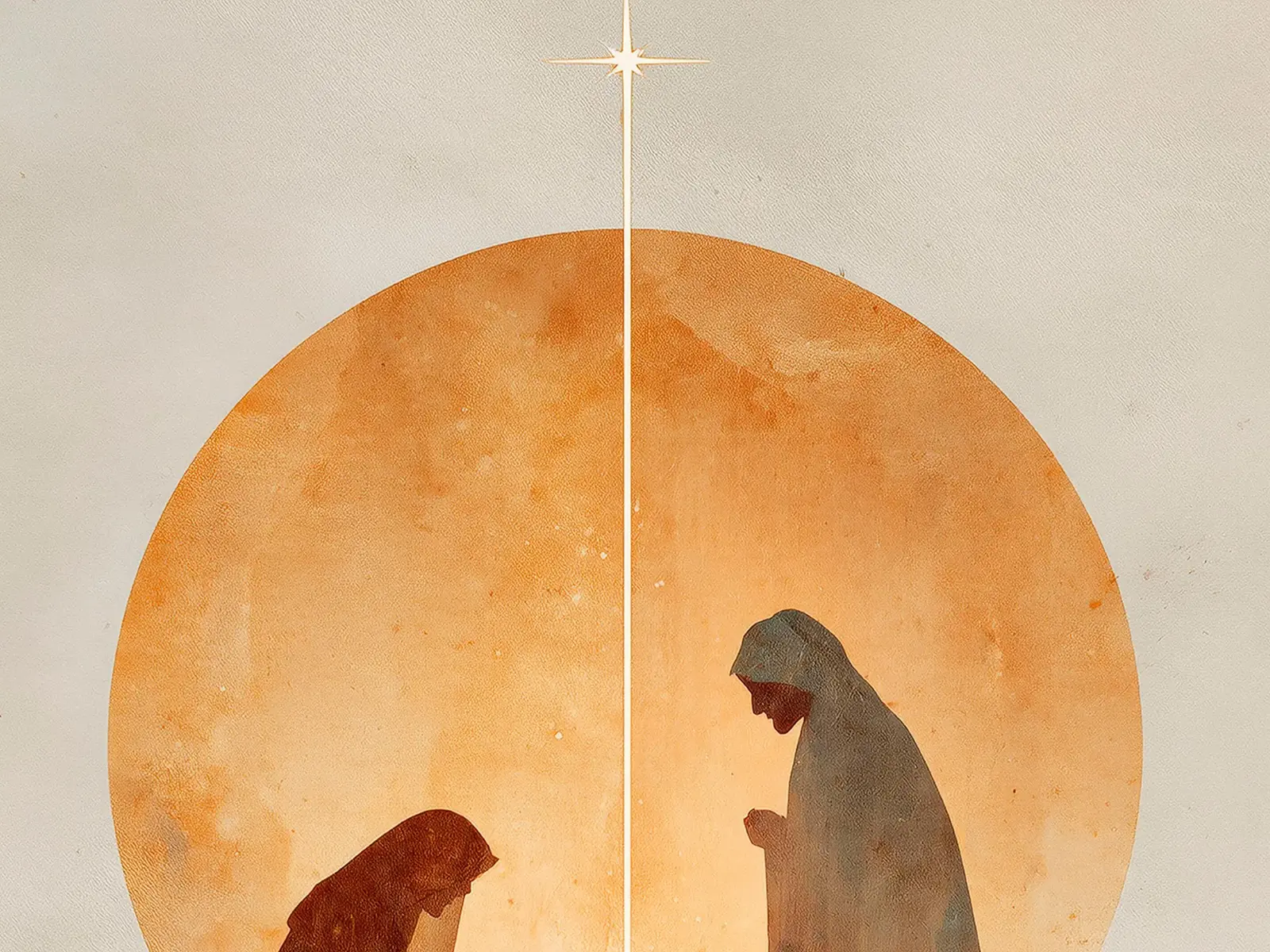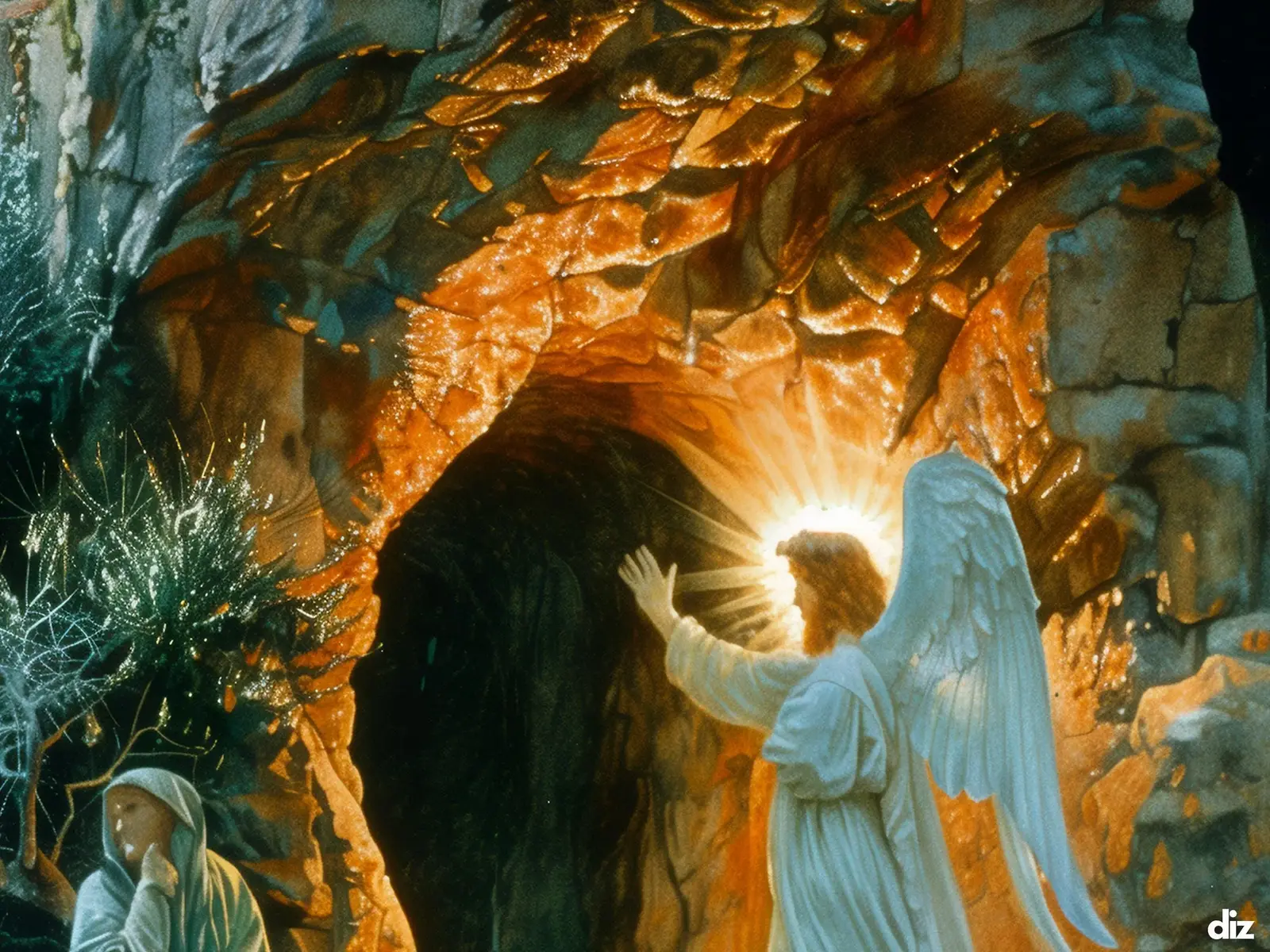
Sacred Art Centered on Sacred Scenes
Contemporary sacred art exploring moments, spaces, and encounters where the divine is quietly revealed — through light, atmosphere, and form.
Why scenes matter in sacred art
A sacred scene carries something a single figure cannot: context.
It holds time, place, and tension together.
It allows the viewer to witness rather than confront.
Scenes often become visual thresholds — moments of beginning, rupture, loss, recognition, or quiet transformation. They don’t resolve meaning. They suspend it.
This suspension is what gives sacred scenes their contemplative power.
How sacred scenes function visually
Sacred scenes speak through composition more than expression.
- Distance between figures — separation, longing, encounter
- Orientation of bodies — approach, withdrawal, offering
- Light as atmosphere — presence shaping the space, not the subject
- Negative space — silence given visual form
In many scenes, the most important element isn’t what happens, but what’s allowed to remain unspoken.
Choosing a sacred scene for your space
People are often drawn to sacred scenes during moments of transition.
Beginnings
Scenes such as the Nativity or the Annunciation speak to arrival, openness, and quiet expectation.
Belonging and care
Scenes of the Holy Family or shared presence offer warmth, stability, and relational grounding.
Recognition and encounter
Moments drawn from the Gospel invite reflection without instruction — recognition rather than explanation.
At TheDizArt, sacred scenes are approached through two visual languages:
- Classic Emotional — warmth, narrative intimacy, and devotional depth
- Minimal Devotional — restraint, space, and contemplative clarity
Both approaches honor the same purpose: to let meaning unfold without pressure.
Paths within sacred scenes
Sacred scenes gather naturally around a small number of recurring moments:
- Nativity — arrival, vulnerability, shared presence
- Holy Family — belonging, care, and domestic holiness
- Biblical Miracles — compassion made visible
- Gospel Moments — encounter without spectacle
Each scene offers a different way of standing near what matters.
Living with sacred scenes
Sacred scenes tend to shape a space gradually.
They work especially well in:
- living rooms, where shared life unfolds
- dining areas, grounding everyday ritual
- transitional spaces, where movement and pause meet
- quiet corners meant for reflection without formality
What gives a sacred scene its strength isn’t detail or drama, but its ability to remain open.
“Some moments do not speak. They simply remain.“
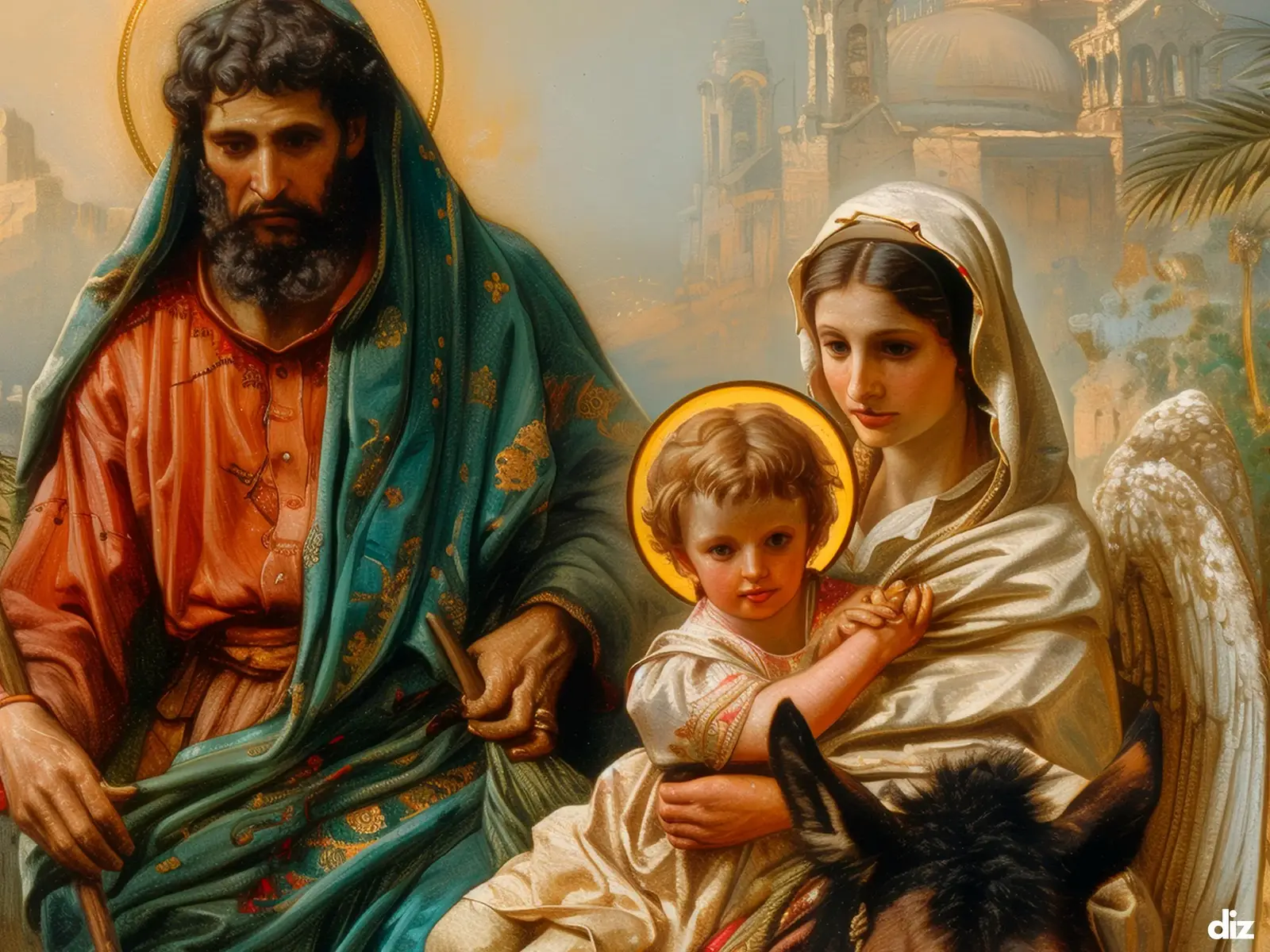
The following works gather these sacred moments — where presence takes form through light and silence.
Editorial Selection
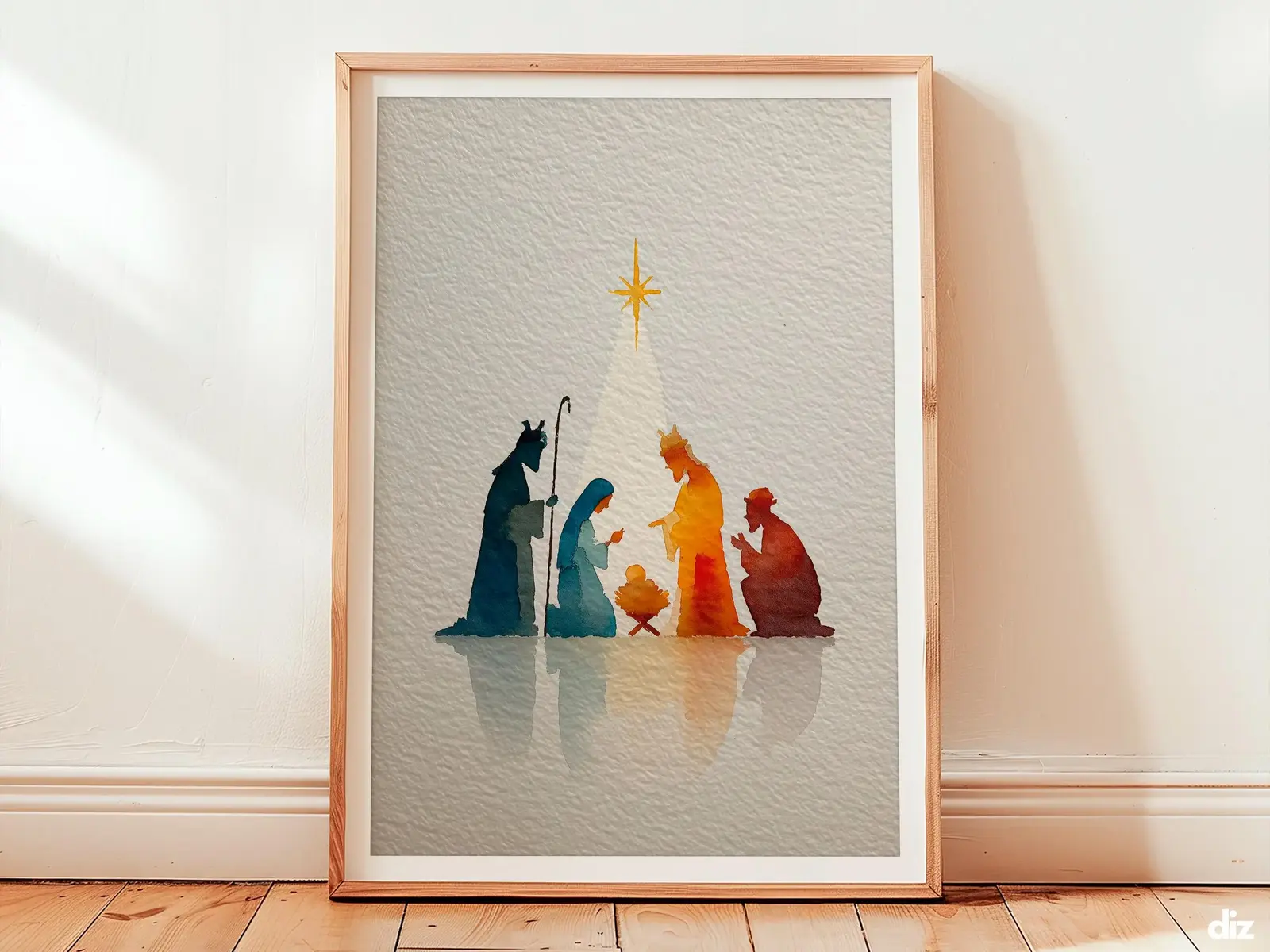
Nativity with the Magi — Centered Madonna, Star-Aligned Ray
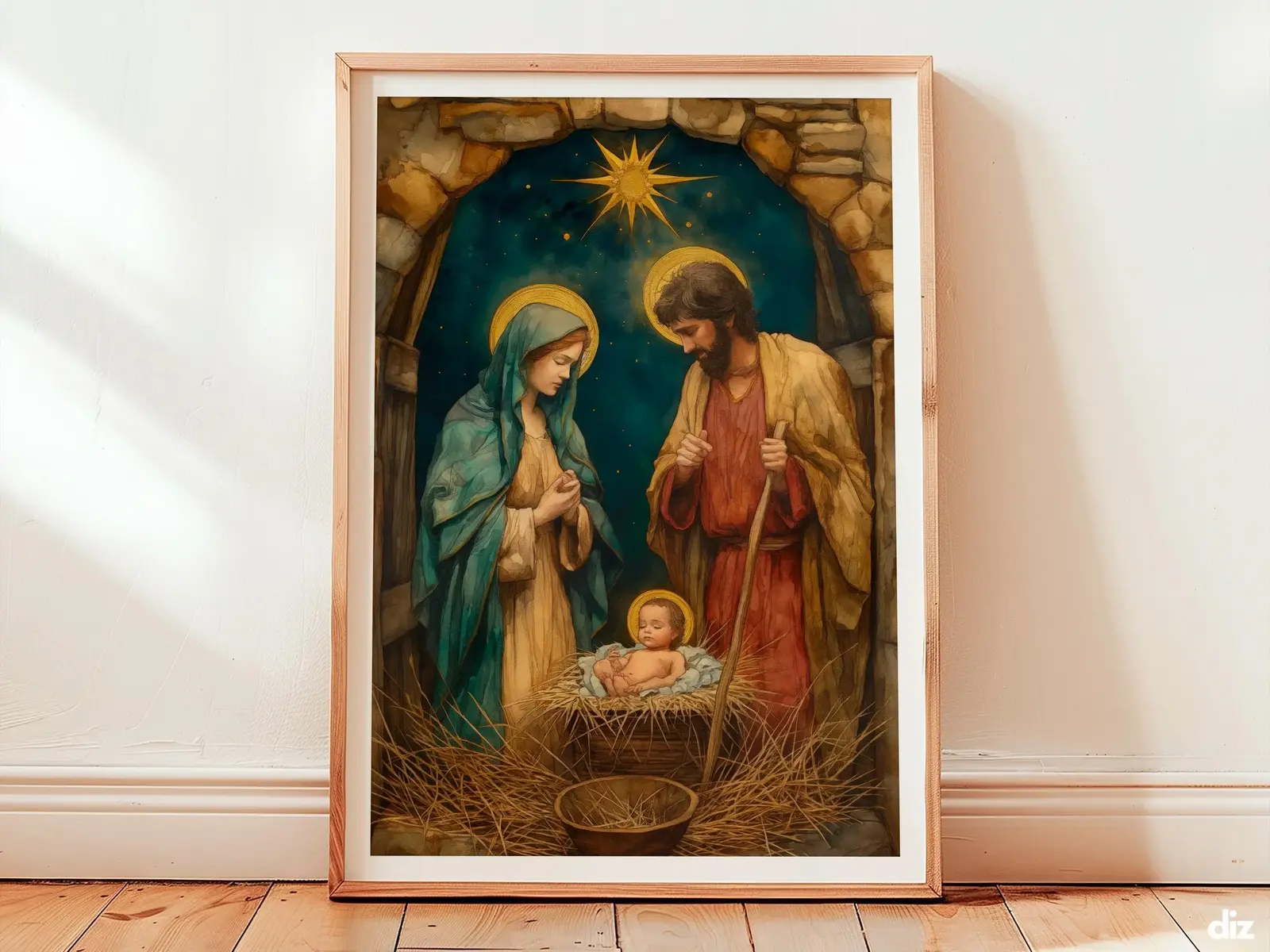
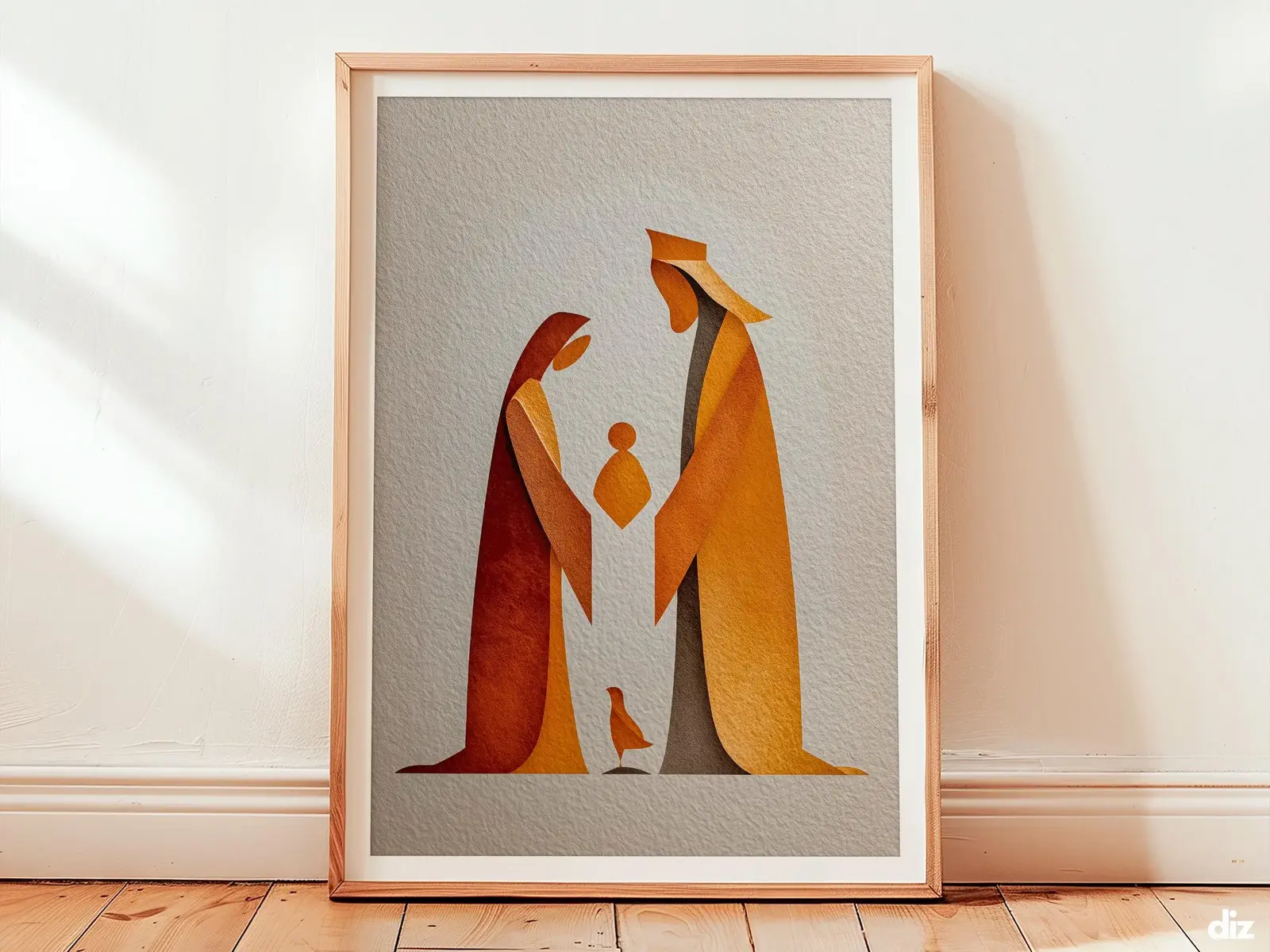
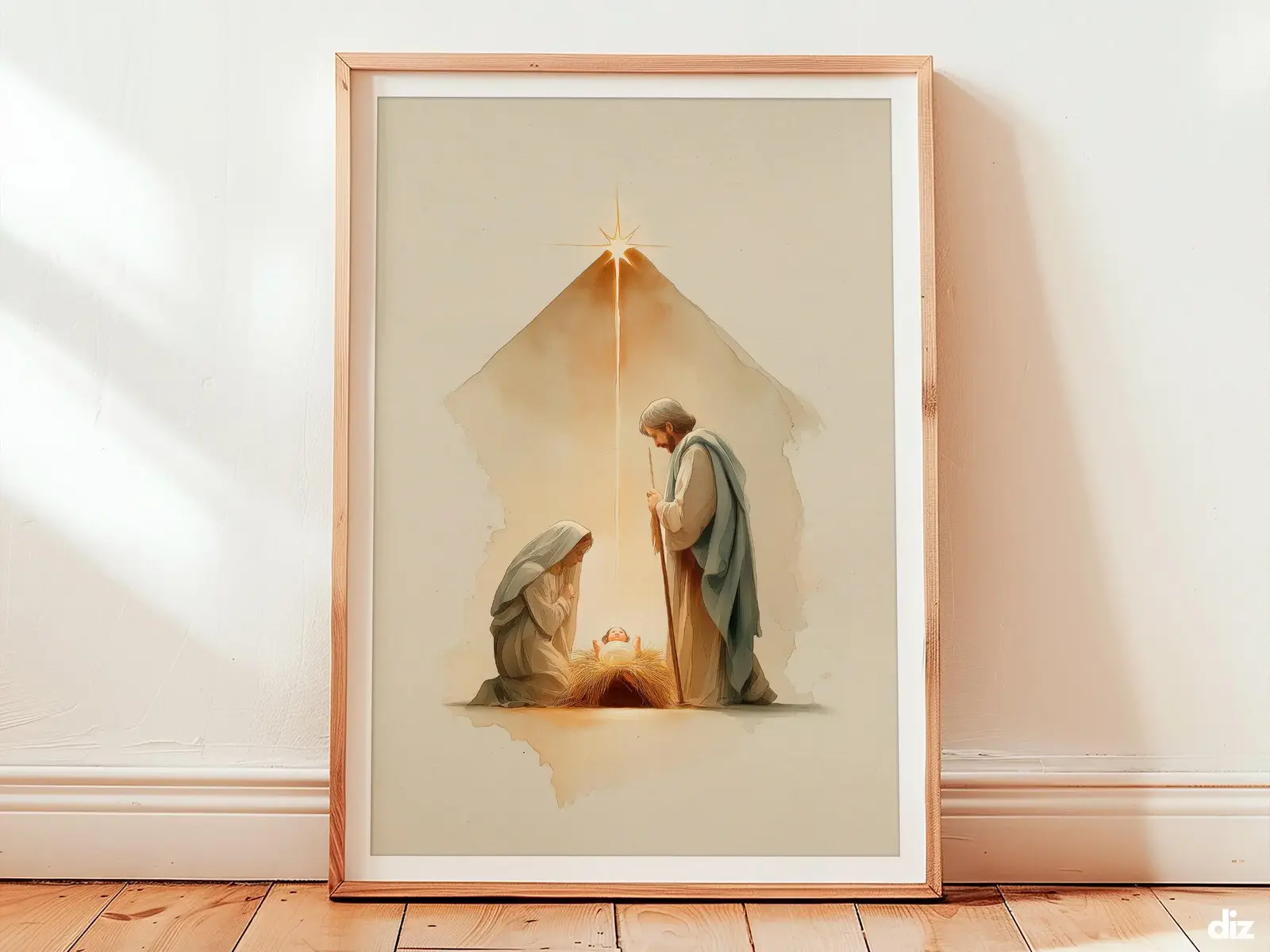
The Holy Family — Manger-Centered Kneel and Stand, Star-Lit Quiet
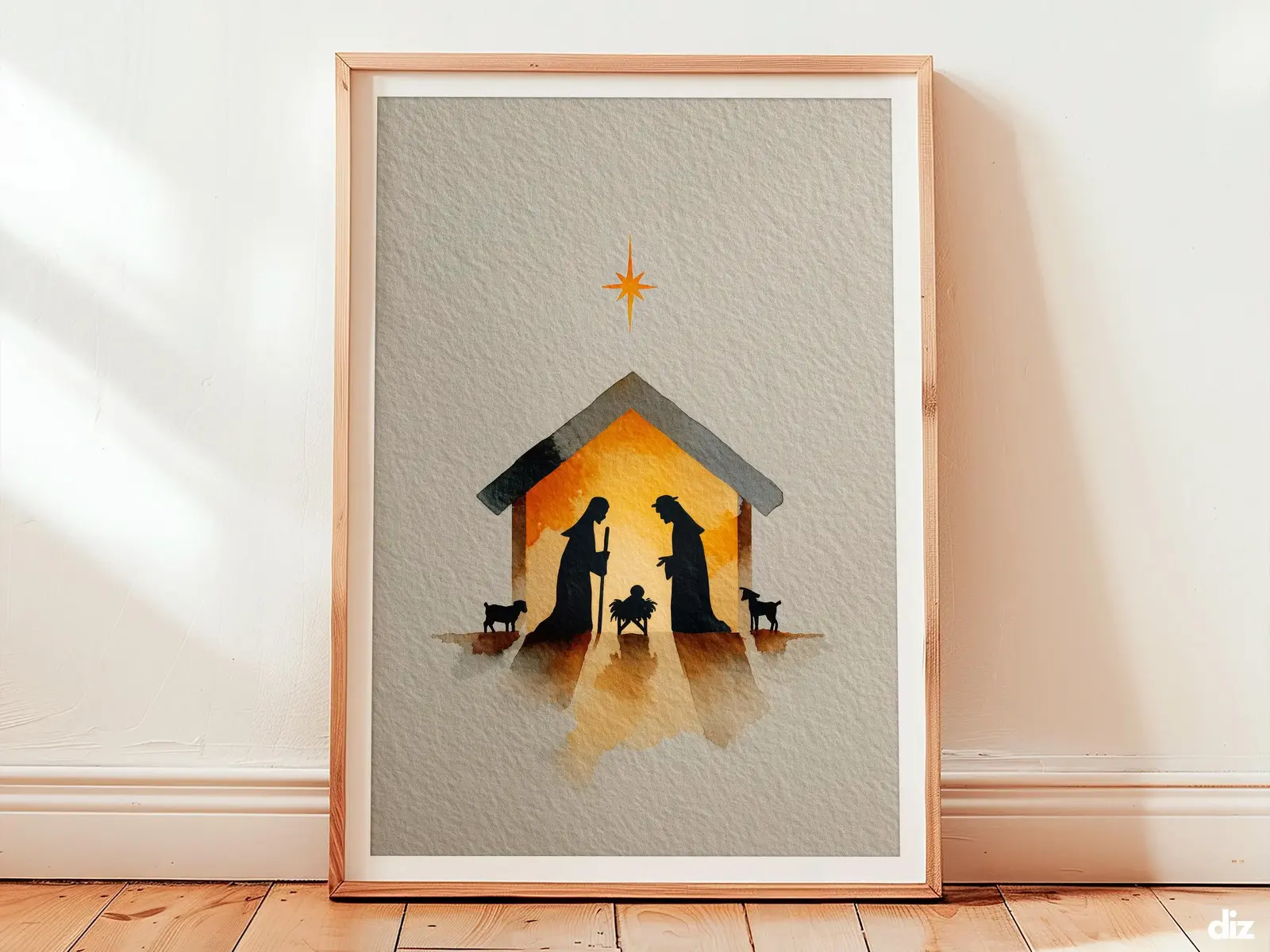
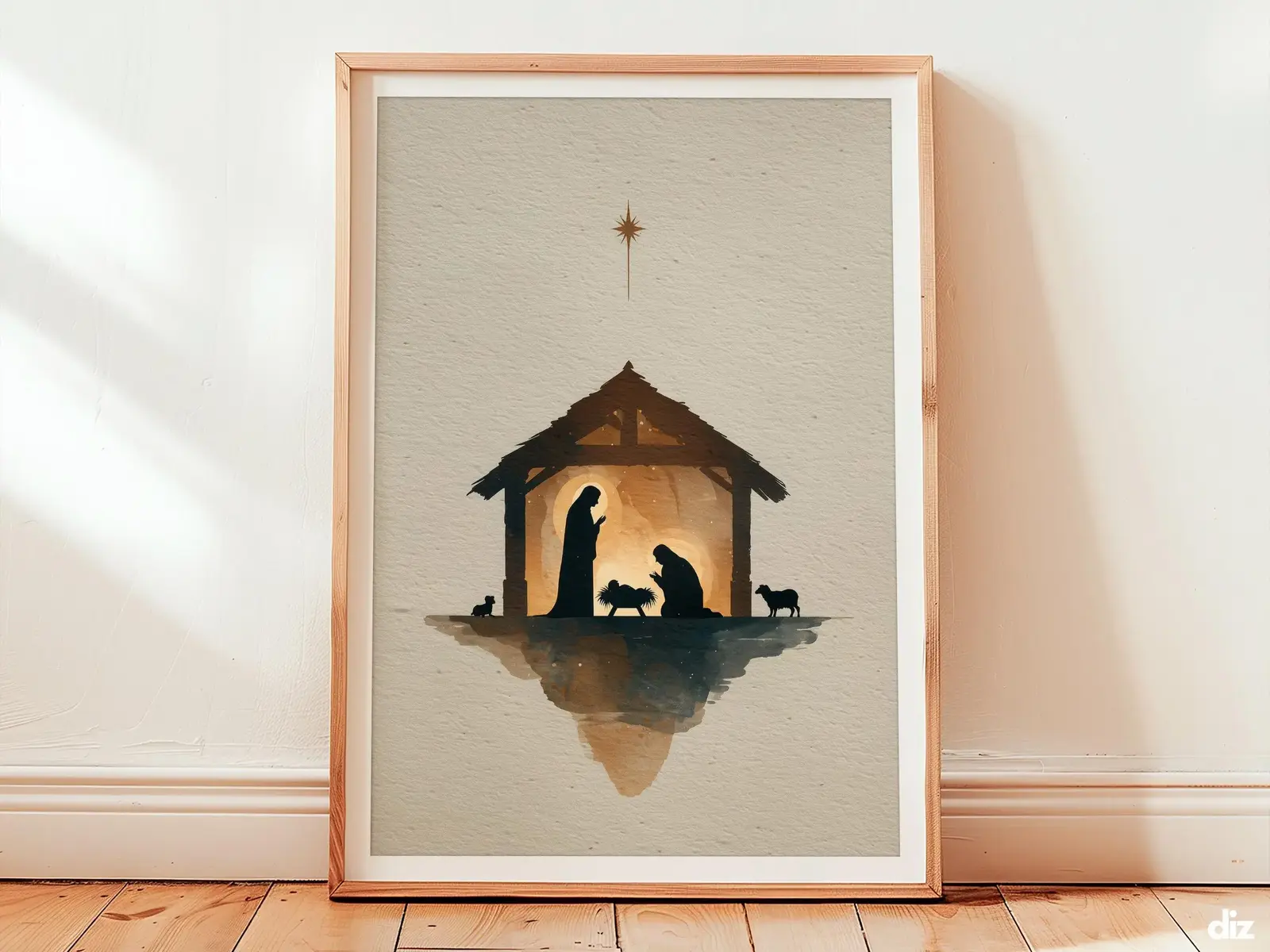
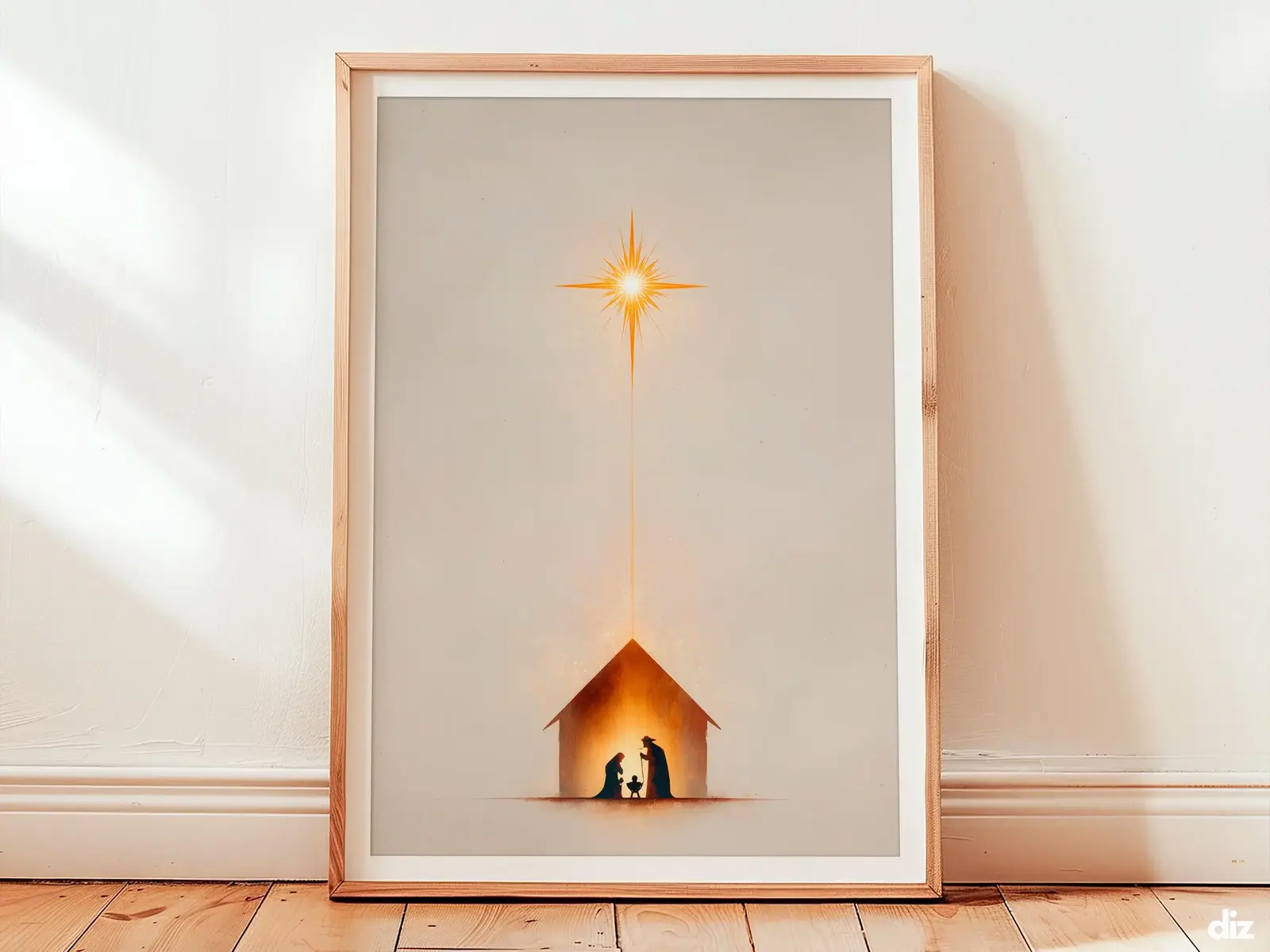
Nativity Under the Eight-Point Star — Silhouette Gathering, Falling Ray
Explore Sacred Scenes — Classic Emotional
Narrative devotion shaped by light, gesture, and sacred atmosphere.
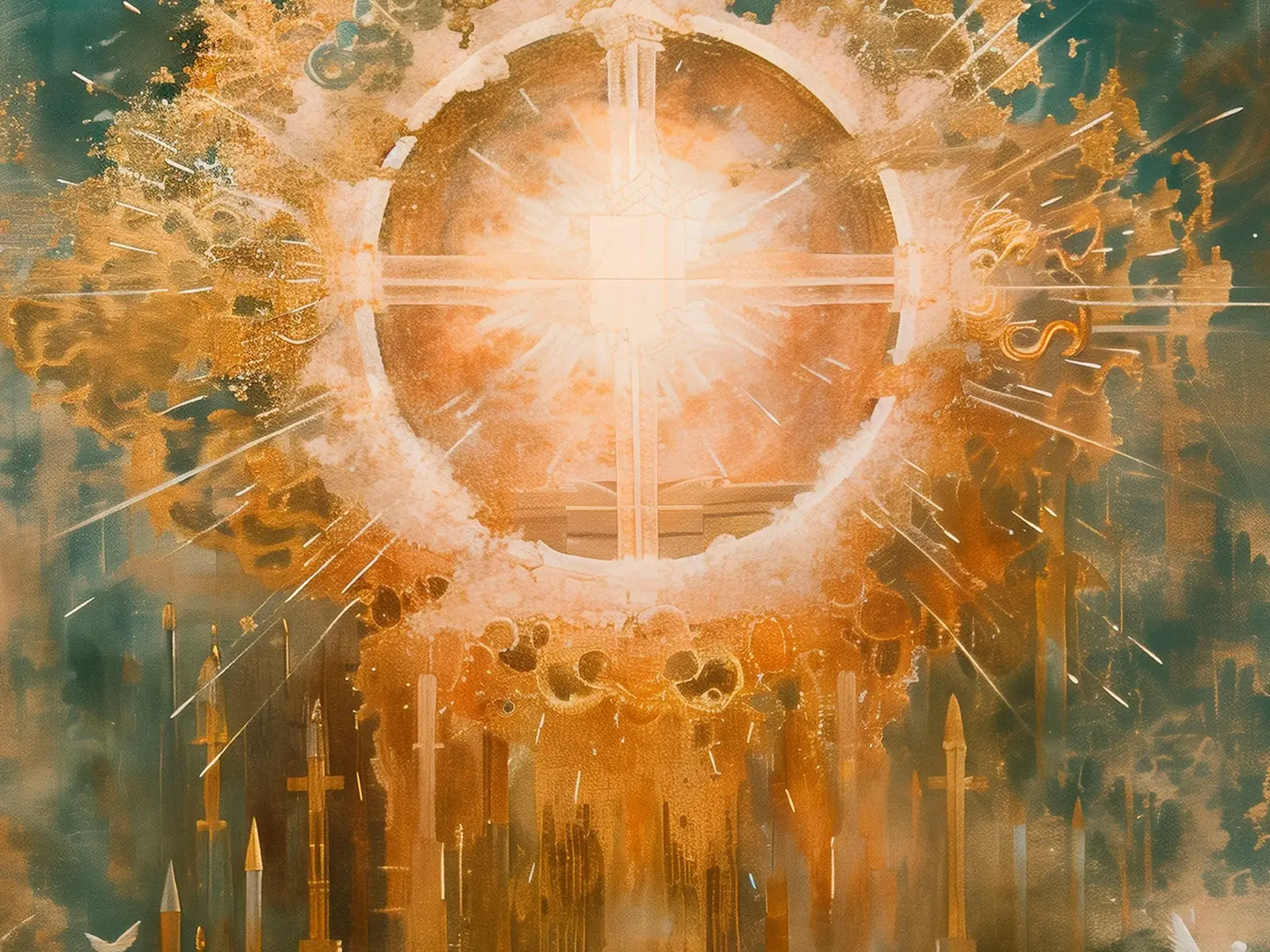
All Saints — Gathered Assembly, Luminous Ascent
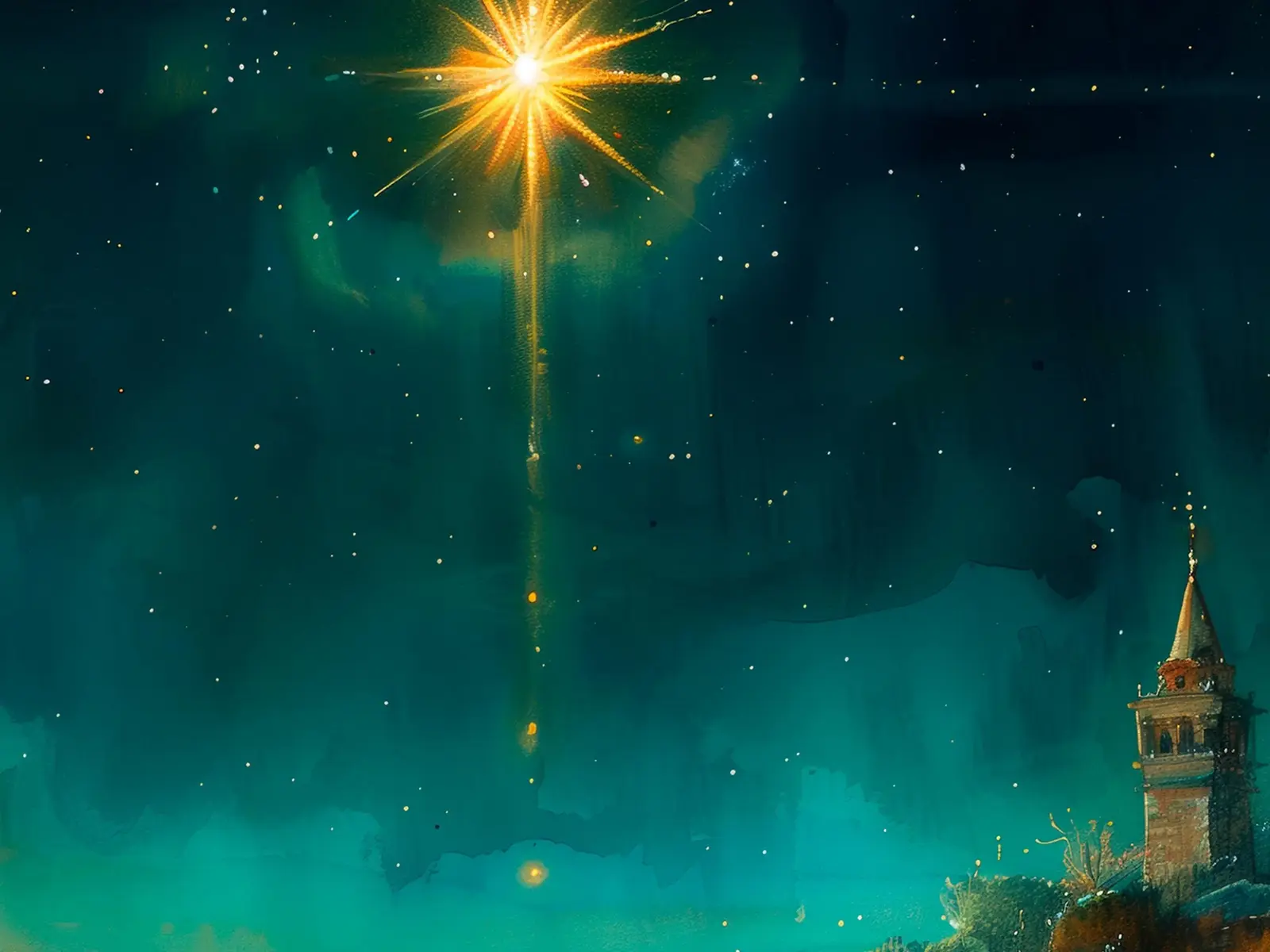
Star of Bethlehem — Night Horizon, Distant Stable Light
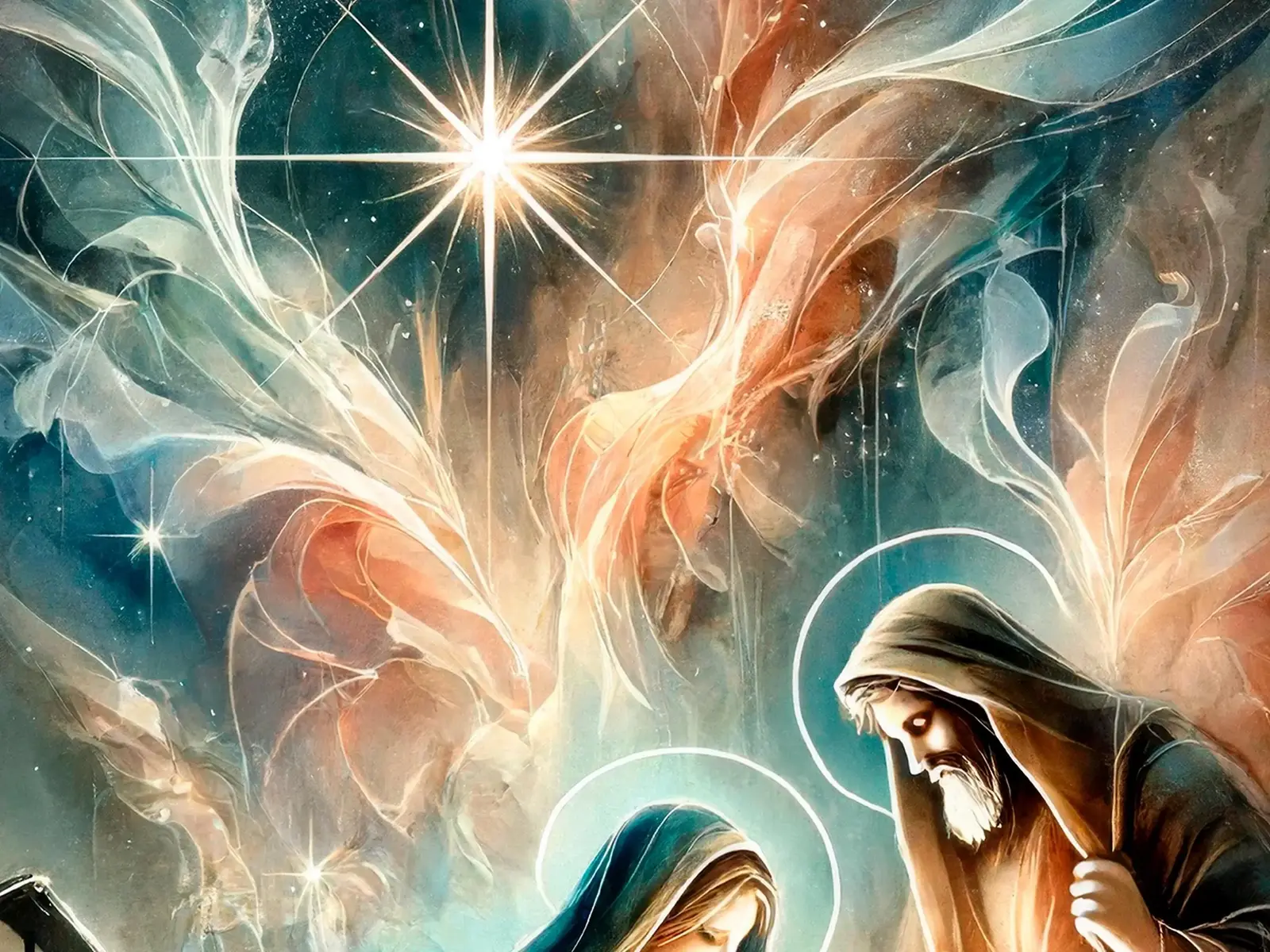
Nativity — Mary Over the Manger, Luminous Stillness
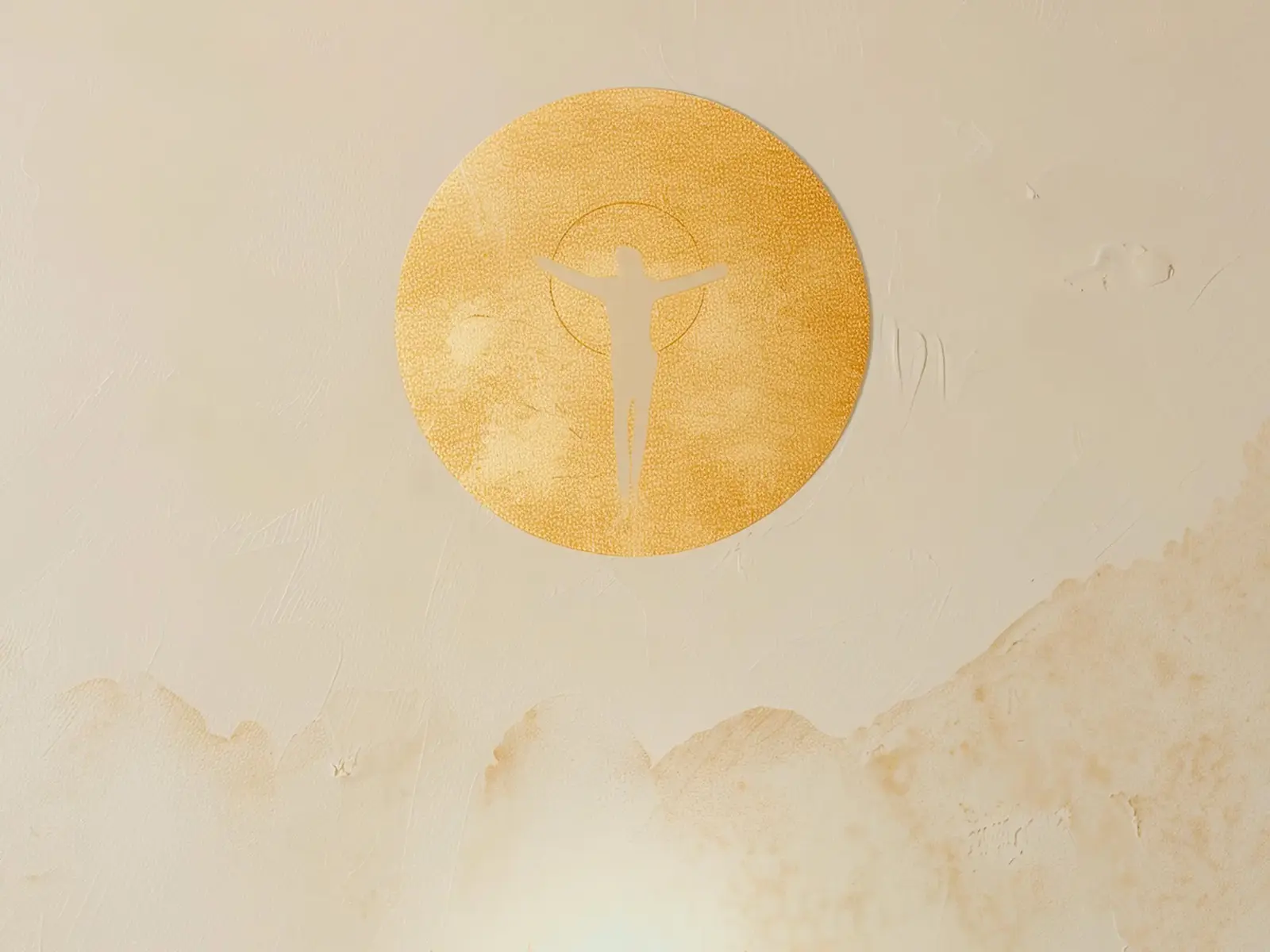
All Saints Day — Gathered Ascent, Luminous Horizon
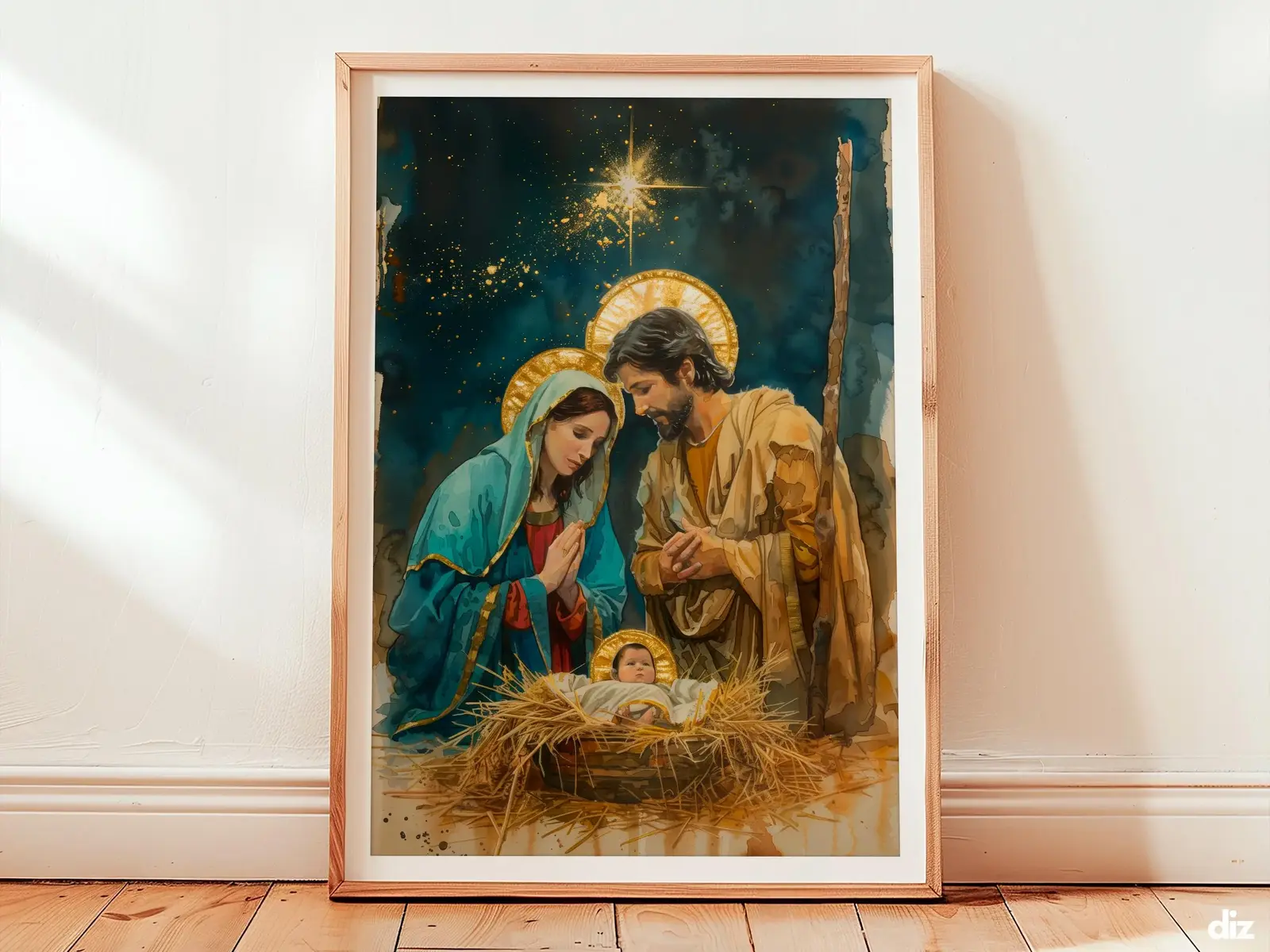
Holy Family — Centered Childlight, Star-Crowned Silence
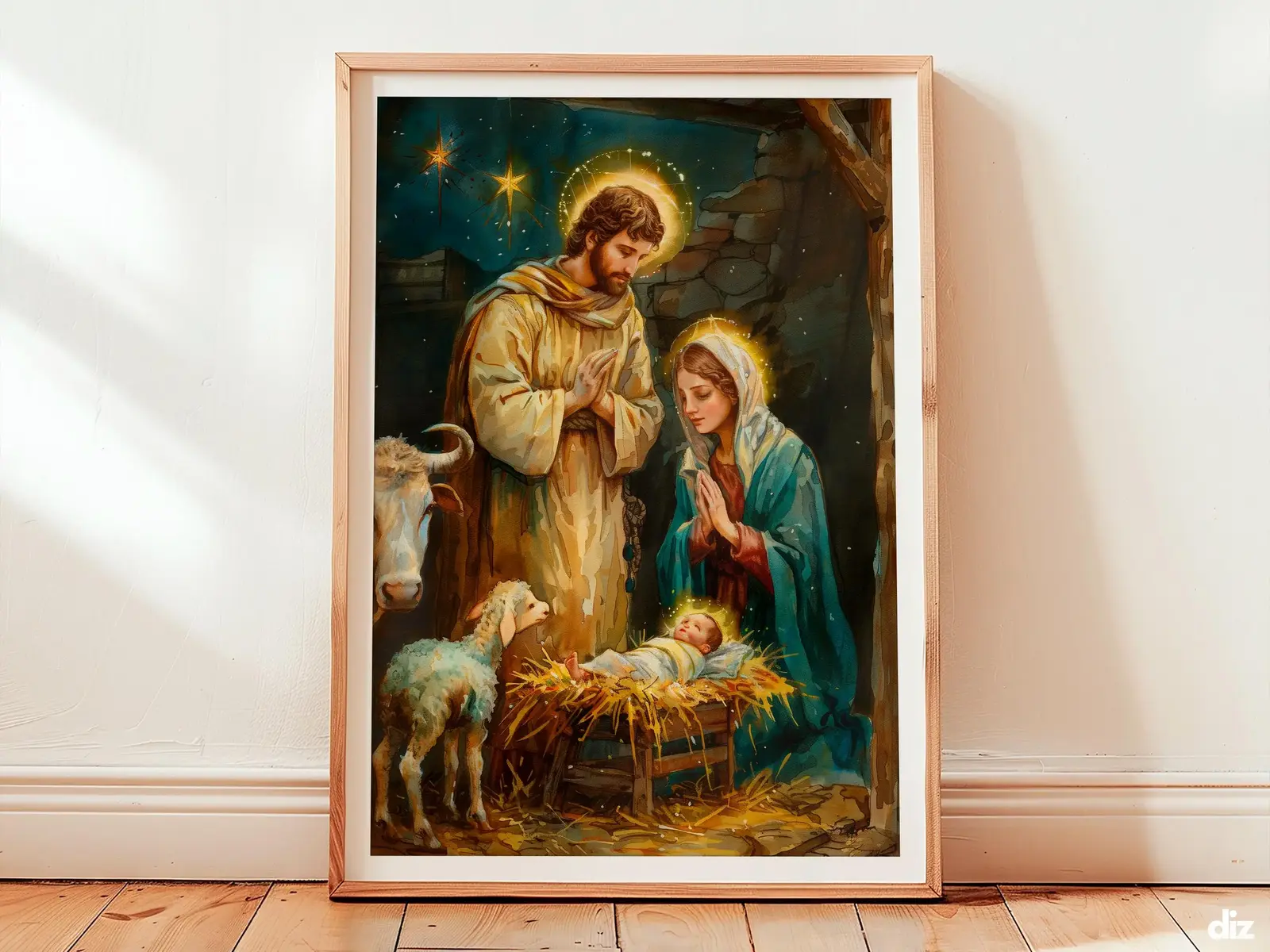
Nativity — Manger-Centered Holy Family, Star-Crowned Night
Explore Sacred Scenes — Minimal Devotional
Sacred presence suggested through space, silence, and restrained light.